Improve SEO Ranking with AI-Driven Strategies Easily


More than 90 percent of American websites struggle to achieve first-page search results. For anyone hoping to attract more organic traffic or grow an online business, understanding modern search strategies is crucial. This guide breaks down powerful steps using AI technologies and data-driven tactics so you can boost your visibility, outperform competitors, and see real ranking improvements.
Table of Contents
- Step 1: Assess Current SEO Performance And Set Targets
- Step 2: Implement AI-Driven Content Creation And Optimization
- Step 3: Establish Effective AI-Enhanced Backlink Strategies
- Step 4: Monitor SEO Progress With Automated Analytics Tools
- Step 5: Refine And Adjust Tactics For Sustained Results
Quick Summary
| Key Point | Explanation |
|---|---|
| 1. Assess Current SEO Performance | Analyze key metrics like organic traffic and bounce rates to establish a baseline for improvements. |
| 2. Utilize AI for Content Creation | Leverage AI tools to generate high-quality content that meets SEO best practices and engages users effectively. |
| 3. Develop Smart Backlink Strategies | Use AI to identify high-quality backlink opportunities while focusing on relevant, authoritative domains. |
| 4. Monitor SEO Progress Continuously | Implement automated tools for real-time insights and regularly review analytics to refine your strategies. |
| 5. Adapt Tactics for Long-Term Success | Continuously refine your approach based on performance data, maintaining a balance between AI insights and human judgment. |
Step 1: Assess current SEO performance and set targets
Improving your website's search ranking starts with understanding exactly where you stand right now. Think of this as taking a comprehensive snapshot of your digital presence before mapping out your strategic growth path. By thoroughly analyzing SEO metrics, you can establish a clear baseline and create targeted improvements.
Begin by examining key performance indicators like organic search traffic, keyword rankings, bounce rates, and conversion rates. Tools like Google Analytics and Search Console offer robust data about your current search visibility. Pay special attention to pages with moderate performance that could potentially be optimized using strategic SEO auditing techniques. The goal is identifying opportunities where small tweaks can generate significant ranking improvements.
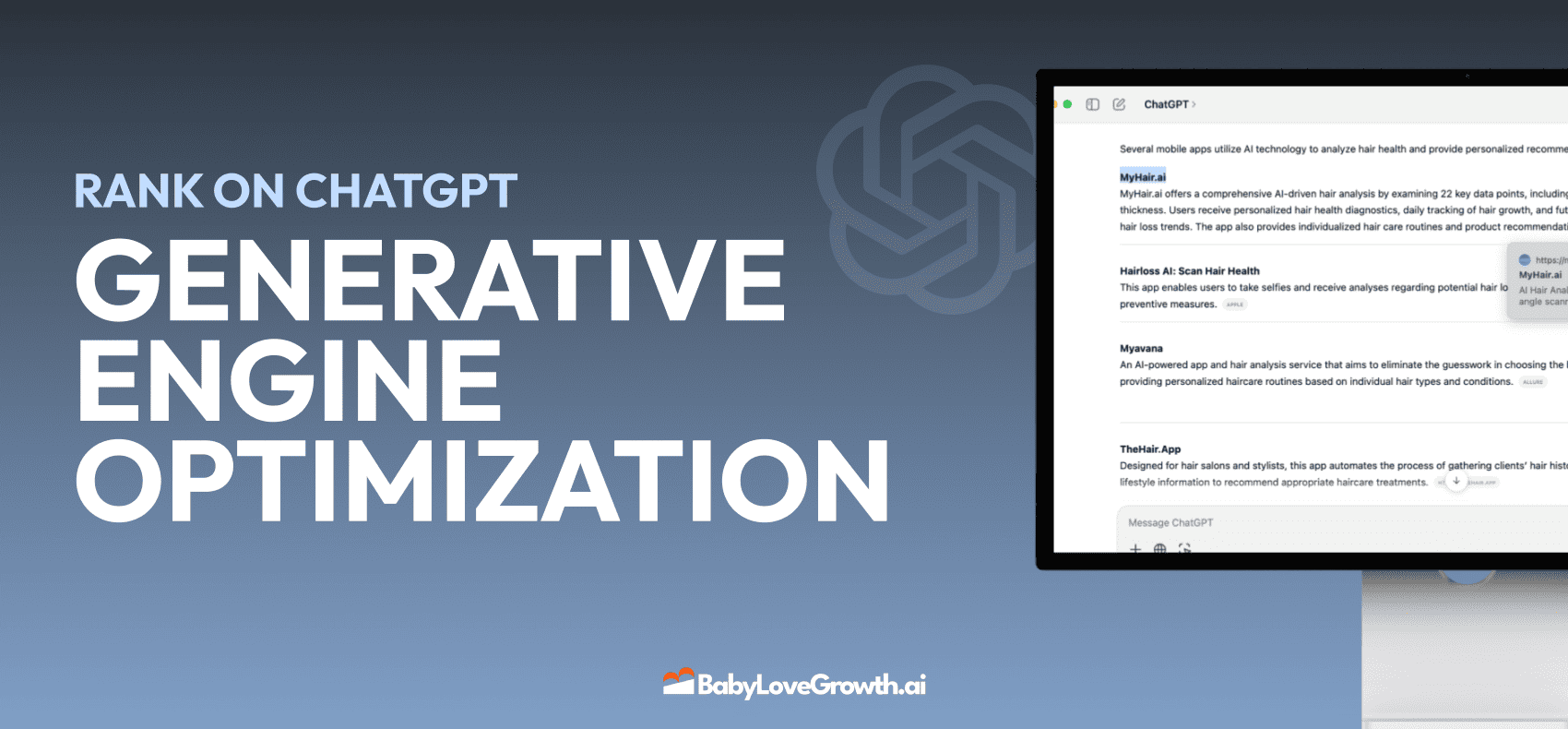
One critical insight emerging from advanced search optimization research involves understanding Generative Engine Optimization principles. Modern SEO isn't just about traditional keyword stuffing - it requires creating structured, conversational content that AI search algorithms can easily interpret and rank. This means developing clear, direct answers to potential user queries while maintaining natural language flow. Your content should anticipate user questions and provide precise, authoritative responses that demonstrate expertise and relevance.
Step 2: Implement AI-driven content creation and optimization
AI-powered content creation represents a transformative approach to developing high-quality, search-optimized material that resonates with both users and search algorithms. Your goal is to leverage advanced AI tools to generate content that is not just keyword-rich, but genuinely valuable and aligned with SEO content creation best practices.
Start by selecting an AI content generation tool that understands your specific industry and target audience. These platforms can rapidly produce drafts that you can then refine and personalize. According to recent research, AI technologies are revolutionizing content creation by making the process more accessible and efficient. Focus on creating content that answers specific user queries, uses natural language, and provides deep insights into your topic. This means going beyond simple keyword insertion and developing comprehensive, authoritative pieces that demonstrate genuine expertise.
Warning: While AI can generate impressive content, human oversight remains critical. Always review and edit AI-generated drafts to ensure accuracy, maintain your unique brand voice, and add nuanced insights that pure algorithms might miss. The most effective AI content strategy combines machine-generated efficiency with human creativity and domain expertise.
Step 3: Establish effective AI-enhanced backlink strategies
Building powerful backlinks requires a strategic approach that leverages modern AI technologies to identify and create high-quality linking opportunities. Your objective is to develop a sophisticated backlink strategy that goes beyond traditional link building methods by understanding the nuanced role of backlinks in SEO.

Start by using AI powered research tools to analyze potential linking domains and identify websites with strong domain authority that align with your content niche. Answer Engine Optimization principles suggest creating content that provides direct, structured answers to user queries which naturally attracts authoritative backlinks. Focus on developing comprehensive, expert level content that other websites will want to reference and link to. AI tools can help you identify content gaps, suggest relevant topics, and even predict which types of content are most likely to generate quality backlinks.
Warning: Not all backlinks are created equal. Prioritize quality over quantity. AI can help you avoid low-quality link farms and spammy websites by providing sophisticated domain analysis and relevance scoring. The most effective backlink strategies combine machine generated insights with human editorial judgment to ensure you are building a natural, trustworthy link profile that search engines will reward.
Step 4: Monitor SEO progress with automated analytics tools
Tracking your SEO performance requires sophisticated automated tools that provide real time insights into your website's search engine visibility. Your primary goal is to develop a comprehensive monitoring system that helps you understand the nuances of SEO performance tracking.
AI-driven data analysis strategies offer unprecedented capabilities for monitoring website performance. Modern analytics platforms can automatically track key performance indicators like organic traffic, keyword rankings, click through rates, and conversion metrics. These tools use advanced algorithms to not just collect data, but to provide actionable insights that can help you refine your SEO strategy. Look for platforms that offer visual dashboards, predictive analytics, and automated reporting to streamline your monitoring process.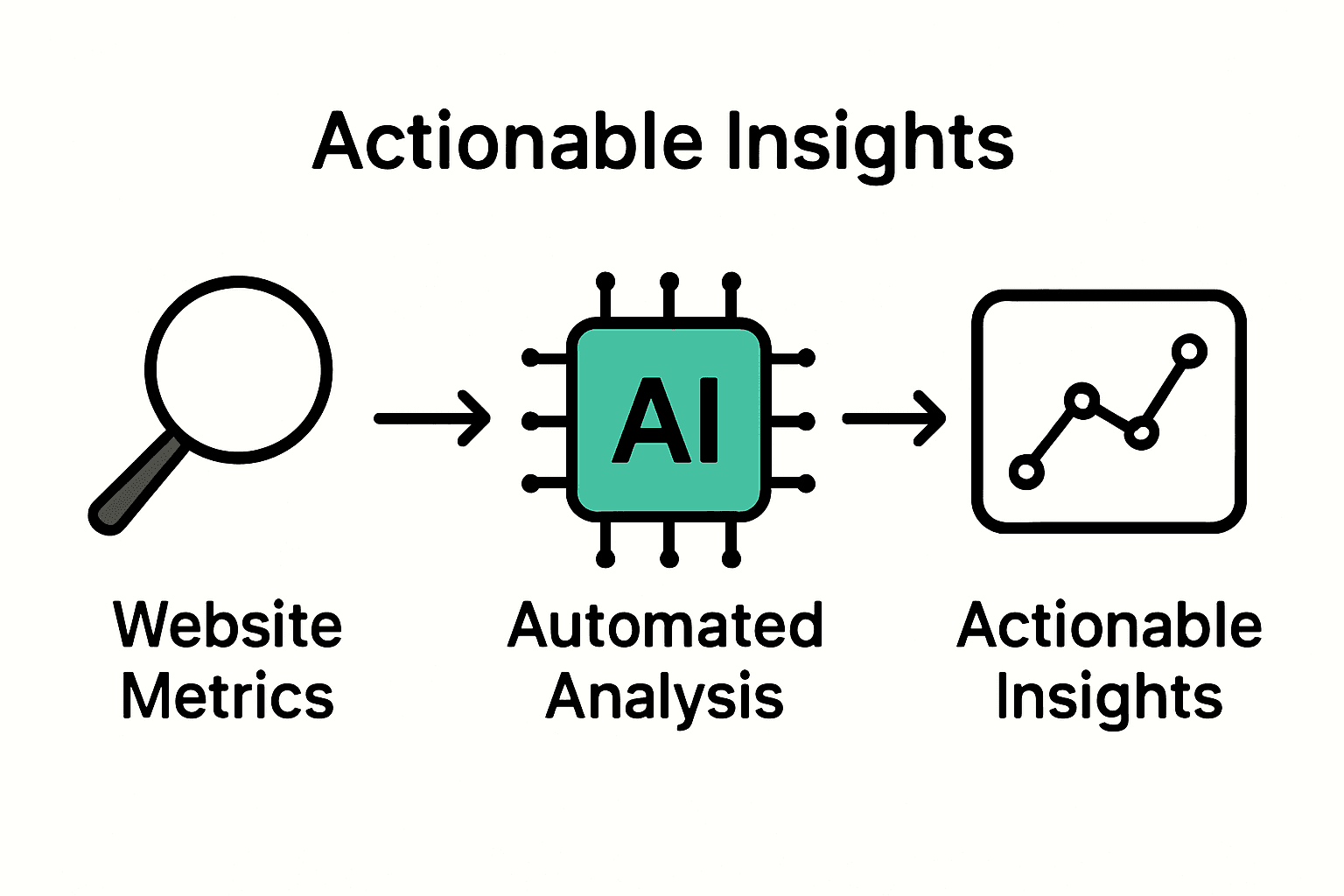
Warning: While automated tools are powerful, they are not infallible. Always combine machine generated insights with human interpretation. Regularly review your analytics reports, look for trends beyond surface level metrics, and be prepared to adjust your strategy based on comprehensive data analysis. The most successful SEO approaches blend technological precision with strategic human decision making.
Step 5: Refine and adjust tactics for sustained results
Sustainable SEO success requires continuous adaptation and strategic refinement of your digital marketing approach. Your objective is to develop a dynamic strategy that evolves with changing search engine algorithms and user behaviors.
The Knowledge Sculptor approach emphasizes the importance of iterative dialogue and continuous improvement in content strategies. This means regularly analyzing your SEO performance data, identifying areas of potential enhancement, and making precise adjustments. AI tools can help you pinpoint specific content gaps, suggest optimization opportunities, and predict potential ranking improvements. Focus on creating a flexible workflow that allows for quick iterations based on real time performance metrics.Warning: Avoid becoming overly reliant on automated recommendations. While AI provides powerful insights, successful SEO requires a nuanced human touch. Treat AI generated suggestions as guidelines rather than absolute rules. The most effective strategy combines technological intelligence with strategic human judgment, allowing you to make contextually informed decisions that go beyond algorithmic recommendations.
Boost Your SEO Ranking with AI-Driven Automation Today
Struggling to keep up with constantly evolving SEO demands like optimizing content with advanced AI techniques or building quality backlinks? The article highlights the challenges of tracking your SEO progress manually and refining tactics while balancing human insight with machine intelligence. You need a solution that simplifies this complexity and turns those insights into measurable growth without the headache.
Babylovegrowth.ai offers a complete AI-powered platform designed exactly for these challenges. Experience automated content creation optimized for Google and ChatGPT, plus access to a backlinks exchange ecosystem that drives authority naturally. With our step-by-step SEO autopilot method and personalized 30-day content plan, finally unlock sustainable rankings without overwhelming guesswork or endless manual work.

Take control of your SEO success now. Visit Babylovegrowth.ai to start your free trial and see how AI-driven strategies can transform your organic growth. Don’t wait – turn SEO complexity into your competitive advantage today.
Frequently Asked Questions
How can I assess my current SEO performance to improve ranking?
Begin by analyzing key performance indicators such as organic search traffic, keyword rankings, and conversion rates. Use data from analytics tools to identify pages needing improvement and set clear targets for optimization.
What steps should I take to implement AI-driven content creation for SEO?
Select an AI content generation tool that suits your industry and audience. Aim to create content that answers user queries, focuses on natural language, and provides valuable insights, then refine these drafts to ensure accuracy and maintain your brand voice.
How do I establish effective backlink strategies using AI?
Develop a backlink strategy by using AI tools to identify high-quality linking opportunities with authoritative domains in your niche. Focus on creating expert-level content that naturally attracts backlinks, enhancing your site's credibility and SEO ranking.
What automated analytics should I use to monitor my SEO performance?
Utilize automated analytics tools that track key metrics like organic traffic and keyword rankings in real-time. Set up dashboards for visual insights and reporting, allowing you to adjust your strategy based on comprehensive data analysis regularly.
How often should I refine my SEO tactics for ongoing success?
Regularly refine your SEO tactics based on performance data and evolving search engine algorithms. Aim to analyze your metrics at least monthly to identify optimization opportunities and quickly adjust your strategy for sustained results.
Recommended
- How to Rank Higher on Google: Step-by-Step SEO Guide
- The Impact of AI on SEO in 2025: Key Changes for Businesses
- SEO Checklist for Websites 2025: Boost Rankings Easily
- 7 Key Benefits of AI in SEO for Digital Growth Success
- B2B AI Marketing Solution for Growth | Singleclic
- Facts and Figures – Automagic