How to Rank Higher on Google: Step-by-Step SEO Guide


Most american companies face the same hurdle when it comes to growth online. Without a strong SEO foundation, even the best content or products remain unseen. Nearly 90 percent of all clicks go to results on the first page of search engines, making smart strategy more important than ever. Discover how proven steps, from expert research to AI-driven content and backlink building, can give your website the visibility it truly deserves.
Table of Contents
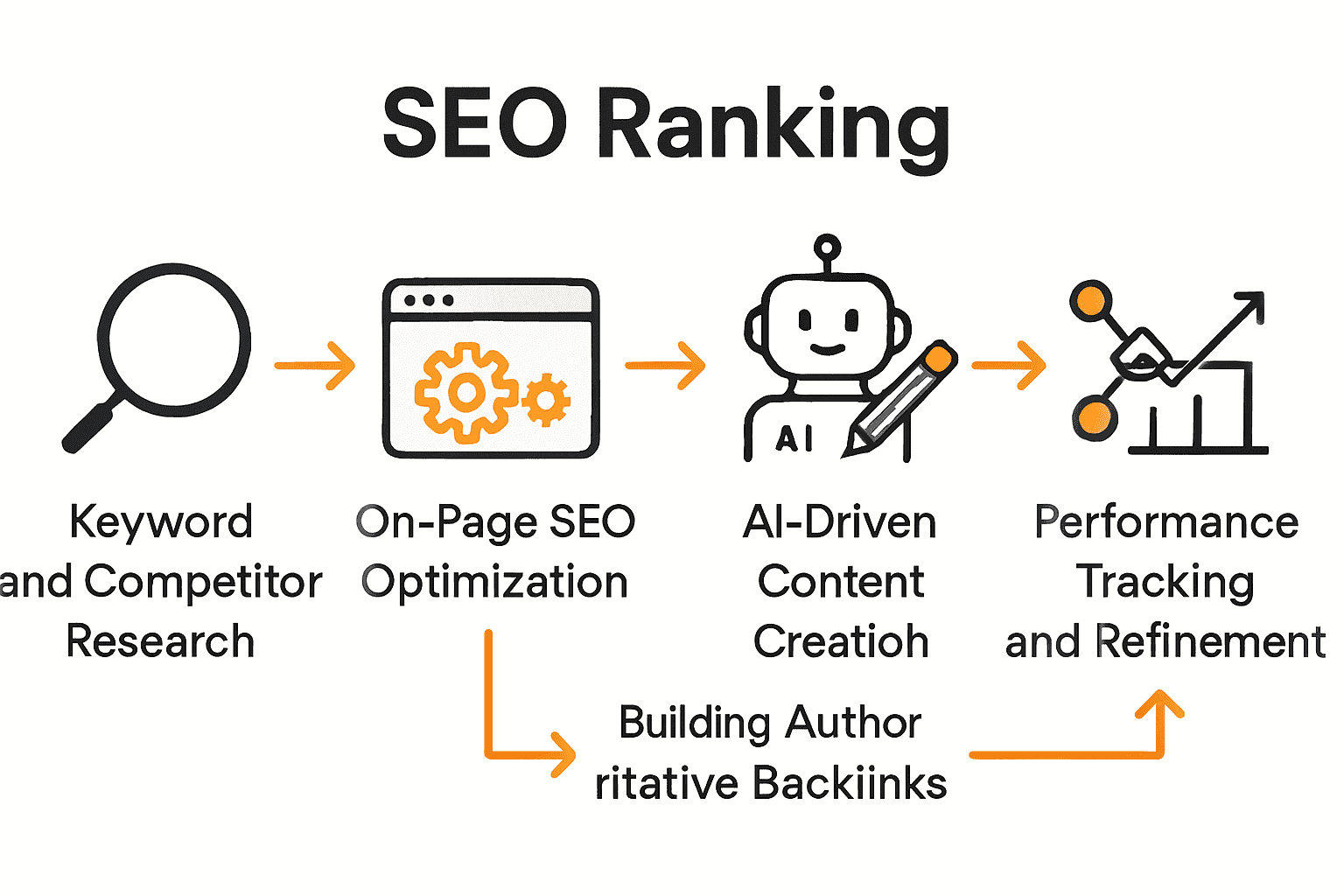
- Step 1: Perform In-Depth Keyword and Competitor Research
- Step 2: Optimize On-Page SEO Elements for Target Pages
- Step 3: Create High-Quality AI-Driven Content Consistently
- Step 4: Build Authoritative Backlinks Using Outreach and Exchanges
- Step 5: Track Performance and Continuously Refine SEO Tactics
Quick Summary
| Significant Insight | Detailed Explanation |
|---|---|
| 1. Conduct Thorough Keyword Research | Focus on unique, targeted keywords to enhance site relevance and align with audience search behavior. Use tools to analyze volume and competition. |
| 2. Optimize On-Page SEO Elements | Craft unique meta descriptions and titles incorporating keywords, while ensuring a clear content structure for improved user experience. |
| 3. Create High-Quality AI-Driven Content | Utilize AI tools for drafting but ensure substantial human editing. Produce comprehensive content that addresses user intent and maintains quality. |
| 4. Build Authoritative Backlinks | Prioritize quality backlinks through effective outreach strategies and collaborative efforts to establish credibility and improve search rankings. |
| 5. Track and Refine SEO Performance | Utilize analytics to monitor key performance metrics regularly. Adapt strategies based on data insights for ongoing SEO effectiveness. |
Step 1: Perform In-Depth Keyword and Competitor Research
Keyword research is the foundational strategy for improving your search engine rankings and understanding your target audience's search behavior. Targeted Web Traffic highlights a critical principle: each webpage should target unique keywords without duplication, which enhances site relevance and search performance.
To conduct comprehensive keyword research, start by identifying your primary topics and brainstorming potential search terms your audience might use. Utilize tools like Google Keyword Planner, SEMrush, or Ahrefs to explore search volume, competition level, and keyword difficulty. Look for long tail keywords with moderate search volume and lower competition, which offer better ranking opportunities. Pay special attention to informational, navigational, and transactional keywords that align with your content strategy.
When analyzing competitor keywords, examine the top-ranking pages in your niche. Investigate their content strategy, identify keyword gaps, and discover opportunities they might have missed. How to Conduct Keyword Research for SEO in 2025 can provide additional insights into advanced keyword research techniques. Remember that successful keyword research is an iterative process requiring continuous refinement and adaptation to changing search trends.
Pro Tip: Always prioritize user intent over pure keyword metrics. A keyword with lower search volume that precisely matches what your audience wants will often perform better than a high-volume keyword with unclear intent.
Step 2: Optimize On-Page SEO Elements for Target Pages
Optimizing on-page SEO elements is crucial for improving your website's search engine rankings and user experience. RSM research highlights that creating a logical site architecture and paying attention to specific page elements can significantly enhance search engine indexing and accessibility.
Begin by crafting unique and compelling meta descriptions for each page, ensuring they accurately represent the content and include relevant keywords. Optimize your page titles by incorporating primary keywords near the beginning, keeping them concise yet descriptive. What Is On Page SEO in Digital Marketing: Boost Rankings emphasizes the importance of strategic keyword placement. Focus on creating high-quality, original content that addresses user intent, and structure your content with clear headings (H1, H2, H3) that incorporate target keywords naturally.
Pay special attention to image optimization by using descriptive, keyword-rich file names and adding relevant alt text that provides context for both search engines and users with accessibility needs. Ensure your website has a clean, logical URL structure that includes target keywords and reflects your content hierarchy. Internal linking is another critical aspect of on-page SEO create a network of relevant internal links that help users and search engines navigate your site more effectively.

Pro Tip: Always prioritize user experience over keyword stuffing. Search engines increasingly reward content that provides genuine value and meets user needs, so focus on creating comprehensive, engaging content that naturally incorporates your target keywords.
Step 3: Create High-Quality AI-Driven Content Consistently
Arxiv research highlights a critical shift in search technology, emphasizing the need for a comprehensive approach to content creation that aligns with generative search engine optimization (GSEO). Creating high-quality AI-driven content requires a strategic framework that goes beyond traditional writing methods, focusing on developing content that can effectively influence synthesized search results.Begin by using advanced AI tools to generate initial content drafts, but never publish without substantial human editing and expertise. AI Content for SEO: Boost Rankings and Traffic in 2025 recommends a collaborative approach where AI generates the foundation and human experts refine the nuances. Implement a rigorous review process that checks for accuracy, originality, and value. Utilize multivariate testing techniques suggested by Arxiv to optimize content components, allowing you to systematically improve user engagement and search performance through data-driven iterations.
Focus on creating comprehensive, authoritative content that addresses user intent comprehensively. Develop a consistent content production workflow that balances AI efficiency with human creativity. Ensure each piece provides unique insights, answers specific user questions, and offers genuine value beyond surface-level information. Integrate relevant keywords naturally, maintain a conversational tone, and regularly update your content to reflect the latest industry trends and information.
Pro Tip: Always view AI as a powerful assistant, not a replacement for human expertise. The most successful content strategies combine AI-generated efficiency with human creativity, critical thinking, and deep subject matter understanding.
Step 4: Build Authoritative Backlinks Using Outreach and Exchanges
Arxiv research reveals that effective page ranking goes beyond simple link acquisition, emphasizing the critical importance of semantic relevance and strategic link structures. Building authoritative backlinks requires a sophisticated approach that focuses on quality over quantity, targeting links that demonstrate genuine value and contextual significance to search engines.Start by identifying high-quality websites within your industry that have strong domain authority and relevant audience overlap. Role of Backlinks in SEO: Complete Expert Guide recommends developing personalized outreach strategies that highlight mutual benefits. Craft compelling pitches that showcase your unique content value, focusing on how your collaboration can provide genuine insights to their audience. Implement a systematic outreach process that includes tracking communications, following up strategically, and maintaining professional relationships with potential link partners.
Utilize multiple backlink acquisition strategies such as guest posting, expert interviews, collaborative content creation, and strategic link exchanges. According to New Target research, maintaining a logical site architecture and using descriptive anchor text can significantly improve link distribution and SEO performance. Prioritize links from websites with high domain authority, relevant content themes, and established credibility in your specific industry or niche.
Pro Tip: Always prioritize relationship building over transactional link exchanges. Genuine connections and high-quality content will always produce more sustainable and valuable backlink opportunities than aggressive or manipulative link-building tactics.
Step 5: Track Performance and Continuously Refine SEO Tactics
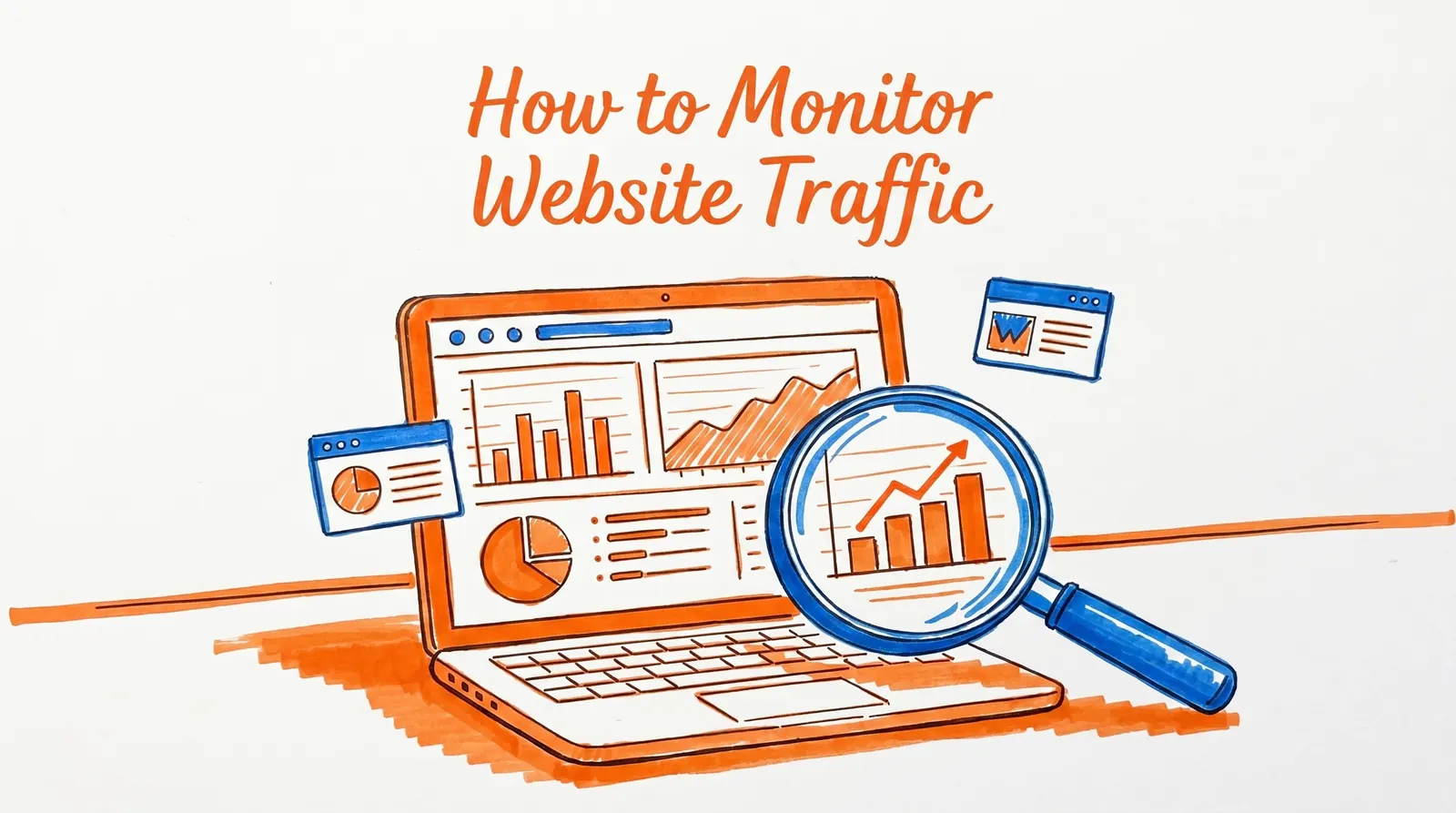
Targeted Web Traffic research emphasizes the critical importance of monitoring website performance through comprehensive analytics tools. Tracking your SEO performance is not a one-time task but an ongoing process of understanding user behavior, identifying improvement opportunities, and adapting your strategy to evolving search engine algorithms.
Establish a robust tracking system using tools like Google Analytics, Google Search Console, and How to Track SEO Performance in 2025 to monitor key performance indicators. Focus on metrics such as organic traffic, bounce rates, conversion rates, average time on page, and keyword rankings. Pay special attention to page load times and user engagement signals. Site Centre recommends utilizing tools like Google PageSpeed Insights to analyze and optimize technical performance, ensuring a fast and responsive user experience that supports your SEO objectives.
Develop a systematic approach to performance analysis by setting up monthly or quarterly review cycles. Create comparative reports that track progress over time, identifying trends, successes, and areas requiring strategic adjustments. Be prepared to experiment with different content strategies, adjust keyword targeting, and refine your technical SEO based on the insights you gather.
Pro Tip: Treat your SEO strategy as a living document. What works today might not work tomorrow, so maintain a flexible mindset and always be ready to pivot your approach based on data-driven insights.
Elevate Your Google Rankings with AI-Powered SEO Solutions
Struggling to consistently rank higher on Google despite your best efforts with keyword research, on-page optimization, and backlink building Try turning your SEO strategy into an automated growth engine with Babylovegrowth.ai Our platform directly addresses key challenges outlined in the step-by-step SEO guide such as targeting unique keywords, crafting AI-driven content that matches user intent, and building authoritative backlinks through a streamlined ecosystem. You no longer have to face the complexity and slow results of traditional SEO methods.
Take control of your organic visibility today by leveraging a 30-day personalized content plan combined with an active backlinks exchange network that drives real results fast Explore AI Content for SEO: Boost Rankings and Traffic in 2025 insights and discover how automation can free your time while delivering high-quality, optimized articles. Ready to stop guessing and start ranking Visit Babylovegrowth.ai now and experience SEO on autopilot with proven, scalable solutions designed for business owners and marketers who want rapid progress without the headaches.
Frequently Asked Questions
What is the first step to rank higher on Google?
The first step to rank higher on Google is performing in-depth keyword research. Identify primary topics related to your content, brainstorm potential search terms, and use keyword tools to explore their search volume and competition. Start this process today to build a strong foundation for your SEO strategy.
How can I optimize on-page SEO elements on my website?
You can optimize on-page SEO by enhancing meta descriptions, page titles, and content structure. Ensure your titles include primary keywords near the beginning and create clear headings using target keywords. Focus on unique, high-quality content that meets user intent to improve your rankings.
What is AI-driven content, and how can it help my SEO?
AI-driven content refers to content generated with the assistance of artificial intelligence tools, aimed at improving efficiency in the writing process. To leverage AI for SEO, start by drafting initial content with these tools, then refine and edit it to ensure accuracy and depth. This combined approach can enhance your content's quality and relevance, leading to better search performance.
How do I build authoritative backlinks for my website?
To build authoritative backlinks, identify reputable websites in your industry and develop personalized outreach strategies. Craft compelling pitches that emphasize mutual benefits, and explore different link-building methods like guest posting or collaborative content. Make this a regular task in your SEO efforts to gradually increase your site's authority.
What metrics should I track to measure my SEO performance?
Key metrics to track for SEO performance include organic traffic, bounce rates, conversion rates, and average time on page. Utilize analytics tools to monitor these indicators regularly. Set up monthly reviews to adjust your strategy based on the insights gathered and ensure you're continually improving your SEO efforts.
How often should I update my SEO strategy?
You should update your SEO strategy at least every few months, or whenever you notice significant changes in your website performance. By conducting regular reviews and adjusting based on data-driven insights, you can stay aligned with evolving search engine algorithms and user behavior. Treat your SEO strategy as dynamic to ensure ongoing successes.