Why Invest in SEO 2025: Winning Organic Growth


Relying on old keyword tricks to boost your online store just does not work anymore. The rapid rise of AI-driven search in 2025 means Search Engine Optimization now depends on delivering a truly holistic digital experience. Digital marketing managers must recognize that SEO success in 2025 comes from understanding user intent, real expertise, and smart adaptation to AI-powered algorithms. This article guides you through the critical shifts, common pitfalls, and AI-powered strategies that separate yesterday’s tactics from tomorrow’s sustainable growth.
Table of Contents
- Defining SEO In 2025 And Common Misconceptions
- How AI And Search Engines Are Changing SEO
- Key SEO Strategies For E-Commerce Brands
- Comparing SEO To Paid Marketing Channels
- ROI, Risks, And Common SEO Investment Mistakes
Key Takeaways
| Point | Details |
|---|---|
| Modern SEO is AI-Driven | SEO in 2025 focuses on creating holistic digital experiences through AI-powered semantic understanding and user intent. |
| Quality Over Quantity | Successful content strategies prioritize high-quality, authoritative content that meets user needs rather than just keyword stuffing. |
| Multi-Platform Optimization is Essential | Brands must optimize content for multiple digital platforms to ensure visibility and engagement across traditional and generative search ecosystems. |
| Investment in SEO is Long-Term | Companies should view SEO as a sustainable investment that builds incremental value over time rather than expecting immediate returns. |
Defining SEO in 2025 and Common Misconceptions
Search Engine Optimization (SEO) has undergone a radical transformation in 2025, evolving far beyond traditional keyword strategies into a sophisticated, AI-powered discipline. The fundamental definition has shifted from mere search ranking manipulation to creating holistic digital experiences that genuinely serve user intent.
Understanding SEO's modern landscape requires recognizing its core components, which now extend well beyond traditional tactics. Comprehensive SEO research highlights several critical aspects:
- AI-Driven Semantic Understanding: Search algorithms now comprehend context, not just keywords
- User Experience Prioritization: Technical performance and engagement metrics matter more than ever
- Expertise and Authoritativeness: Content quality trumps quantity
- Multi-Platform Optimization: Ranking across traditional and generative search platforms
Several persistent misconceptions continue to plague digital marketing strategies. Many professionals still view SEO as a one-time task or believe keyword stuffing remains effective. These outdated perspectives can significantly hinder organic growth potential.
SEO in 2025 is an ongoing, strategic process of creating exceptional digital experiences that satisfy both user needs and search engine algorithms.
Key differences between traditional and modern SEO include a fundamental shift from mechanical optimization to holistic digital strategy. Where previous approaches focused narrowly on technical ranking factors, current SEO demands a comprehensive understanding of user intent, content quality, and cross-platform performance.

Here's a quick comparison between traditional SEO and modern SEO approaches in 2025:
| Aspect | Traditional SEO | Modern SEO (2025) |
|---|---|---|
| Primary Focus | Keyword rankings | User intent and experience |
| Core Strategy | Technical optimization | Holistic digital strategy |
| Content Approach | Quantity over quality | Quality and expertise |
| Platform Reach | Search engines only | Multiple digital platforms |
| Algorithm Response | Static ranking factors | AI-driven, context aware |
Pro tip: Invest in creating genuinely valuable content that serves user needs, and SEO success will naturally follow.
How AI and Search Engines Are Changing SEO
The landscape of Search Engine Optimization is undergoing a profound transformation driven by artificial intelligence, fundamentally reimagining how digital content is discovered, ranked, and consumed. AI-driven search strategies are rapidly replacing traditional keyword-based approaches, creating a more intelligent and context-aware search ecosystem.
Key changes in the AI-powered search landscape include:
- Semantic Understanding: AI algorithms now comprehend context and user intent
- Multi-Platform Optimization: Content must perform across traditional and generative search platforms
- Dynamic Content Evaluation: Real-time assessment of content relevance and expertise
- Personalized Search Results: Individual user behavior increasingly influences ranking
Traditional SEO metrics are evolving, with AI introducing more nuanced evaluation criteria. Search engines now prioritize content that demonstrates genuine expertise, provides comprehensive insights, and delivers exceptional user experience. This shift means brands must focus on creating high-quality, authoritative content that genuinely serves user needs.
The following table summarizes ways AI is transforming SEO performance measurement:
| Metric Evolution | Traditional Approach | AI-Driven Approach |
|---|---|---|
| Ranking Factors | Fixed technical criteria | Dynamic, contextual signals |
| Content Relevance | Keyword density, tags | Semantic analysis, expertise |
| User Interaction | Clicks, bounce rate | Personalized engagement patterns |
| Outcome Assessment | Simple traffic metrics | Holistic user satisfaction scores |
AI is transforming SEO from a technical optimization game to a strategic content excellence challenge.
The emergence of generative AI search platforms has created new optimization challenges. Brands must now design content that is not only search-engine friendly but also capable of being effectively synthesized and cited by AI systems. This requires a more structured, precise approach to information presentation and deeper consideration of how content might be interpreted by machine learning algorithms.
Pro tip: Design your content with AI comprehension in mind, focusing on clear structure, comprehensive information, and direct answers to potential user queries.
Key SEO Strategies for E-Commerce Brands
E-commerce brands in 2025 must adopt sophisticated SEO strategies that go far beyond traditional optimization techniques. Ecommerce SEO strategies now require a holistic approach that integrates technical performance, content quality, and user experience into a comprehensive digital marketing framework.
Critical SEO strategies for e-commerce success include:
- Technical Website Optimization
- Lightning-fast page load speeds
- Mobile-responsive design
- Secure HTTPS infrastructure
- Advanced Structured Data Implementation
- Rich product schema markup
- Enhanced search result snippets
- Detailed pricing and availability information
- Content-Driven Visibility
- Comprehensive product descriptions
- Solution-oriented blog content
- User-generated content integration
Modern e-commerce SEO demands a nuanced, multi-dimensional approach that addresses both algorithmic requirements and genuine user needs. Search engines now prioritize websites that demonstrate comprehensive expertise, provide exceptional user experiences, and deliver authentic, valuable information across multiple digital touchpoints.
Successful e-commerce SEO in 2025 is about creating an interconnected digital ecosystem that seamlessly guides potential customers from initial search to final purchase.
The most effective e-commerce brands will leverage AI-powered insights to personalize content, optimize user journeys, and create highly targeted, contextually relevant search experiences. This means developing strategies that anticipate user intent, provide immediate value, and establish trust through transparent, authoritative digital presence.
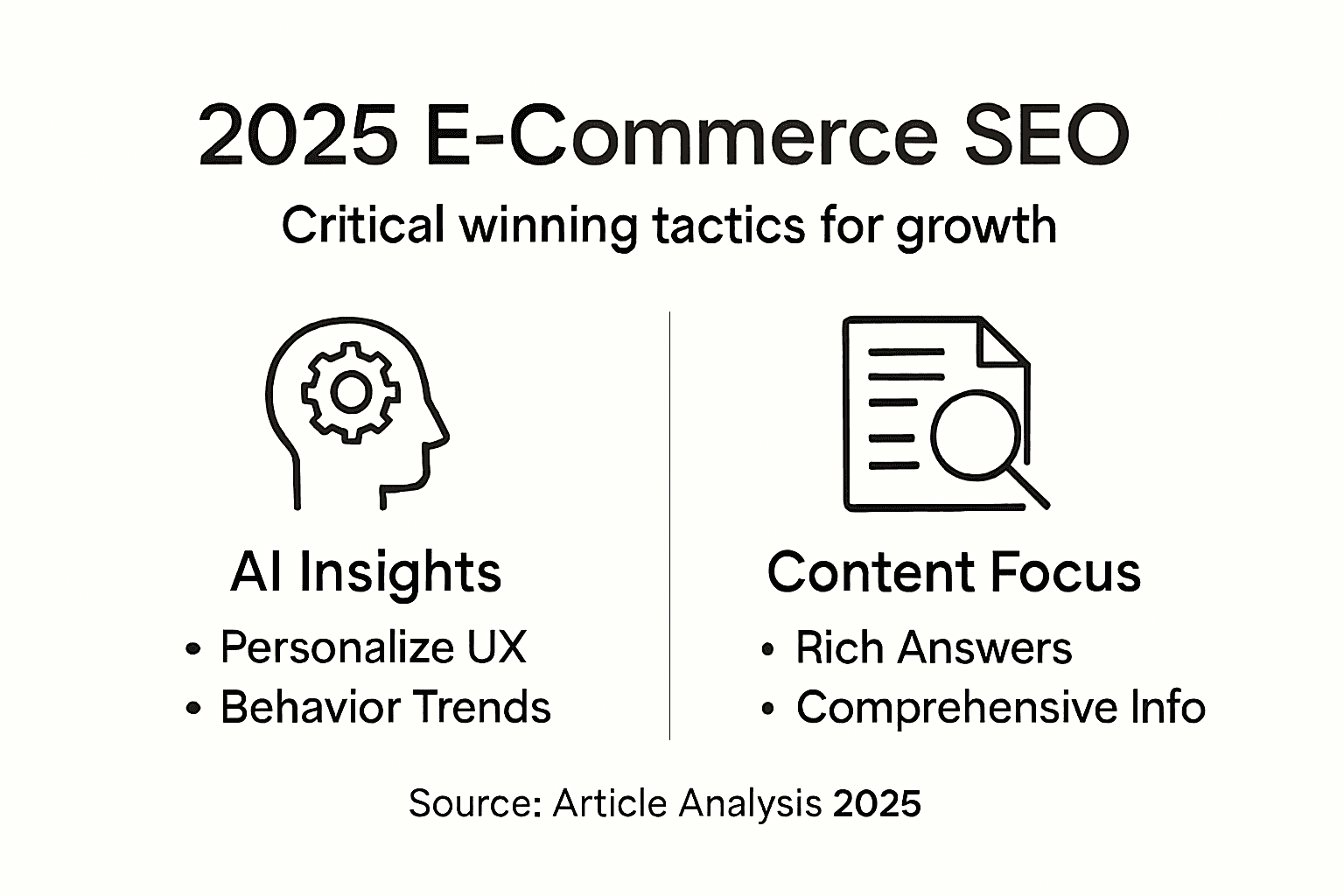
Pro tip: Invest in creating rich, comprehensive content that answers every potential customer question before they even ask it.
Comparing SEO to Paid Marketing Channels
In the evolving digital marketing landscape of 2025, businesses must critically evaluate the long-term value of their marketing investments. Organic traffic strategies represent a fundamentally different approach compared to paid marketing channels, offering sustainable growth and significantly higher return on investment.
Key differences between SEO and paid marketing channels include:
- Cost Structure
- SEO: Long-term, incremental investment
- Paid Channels: Immediate but continuous expense
- Audience Trust
- SEO: Higher credibility and perceived authenticity
- Paid Channels: More direct but less trusted
- Scalability
- SEO: Compounding returns over time
- Paid Channels: Linear performance tied to spending
- Performance Metrics
- SEO: Sustainable traffic growth
- Paid Channels: Immediate but ephemeral results
Paid marketing channels like Google Ads and social media advertising provide instant visibility but require continuous financial investment. Once you stop spending, your visibility disappears. Conversely, organic SEO builds a lasting digital asset that continues generating traffic and leads even after initial optimization efforts.
Effective marketing in 2025 is not about choosing between SEO and paid channels, but strategically integrating both for maximum digital presence.
The most sophisticated digital marketing strategies will leverage both SEO and paid channels, using each for its unique strengths. Paid marketing can provide immediate data and insights, while SEO builds long-term brand authority and sustainable traffic channels.
Pro tip: Allocate your marketing budget to create a balanced approach that uses paid channels for quick wins and SEO for sustained, compounding growth.
ROI, Risks, and Common SEO Investment Mistakes
Investing in SEO requires a strategic approach that balances potential rewards with calculated risks. SEO investment strategies demand comprehensive understanding of both financial commitment and potential long-term growth opportunities.
Key risks and potential investment mistakes in SEO include:
- Financial Risks
- Unpredictable initial returns
- Resource-intensive implementation
- Long-term commitment required
- Strategic Mistakes
- Unrealistic expectations of instant results
- Neglecting ongoing optimization
- Insufficient performance tracking
- Content Pitfalls
- Low-quality, keyword-stuffed content
- Ignoring user intent
- Lack of comprehensive topic coverage
Successful SEO investments require understanding that organic growth is a marathon, not a sprint. Companies frequently miscalculate ROI by expecting immediate results, when in reality, SEO performance builds incrementally over months and years.
SEO investment is less about immediate returns and more about building a sustainable digital asset that compounds value over time.
Measuring SEO ROI involves complex calculations beyond simple traffic metrics. Digital marketers must consider long-term brand visibility, customer acquisition costs, and the compounding effect of consistent, high-quality content optimization.
Pro tip: Develop a comprehensive SEO tracking system that measures multiple performance indicators beyond just search rankings.
Unlock Sustainable Organic Growth with AI-Powered SEO Solutions
The article highlights critical challenges such as evolving AI-driven search algorithms, the need for holistic digital strategies, and the importance of creating expert content that truly serves user intent. If you are striving to overcome these modern SEO obstacles and achieve long-term growth, Babylovegrowth.ai offers tailored solutions designed to meet these exact demands. Our platform automates keyword discovery, content planning, structured data markup, and link building to help you stay ahead in a landscape where user experience and AI comprehension are paramount.

Experience the power of scalable automation combined with high-quality content strategies that align perfectly with 2025 SEO best practices. Visit Babylovegrowth.ai today to start building a robust organic presence across multiple search platforms including Google, ChatGPT, and Claude. Don’t wait for competitors to outpace you in this AI-driven era. Get started now and transform your SEO investment into a lasting digital asset with our innovative tools that simplify complex optimization tasks. Explore our AI-Powered SEO platform and discover why smart brands choose us for sustainable organic growth.
Frequently Asked Questions
What are the key benefits of investing in SEO for 2025?
Investing in SEO in 2025 helps businesses achieve sustainable organic growth, enhances brand authority, and improves user experience. It builds a lasting digital asset that generates traffic and leads over time, unlike paid marketing, which requires ongoing investment.
How is SEO different in 2025 compared to traditional methods?
SEO in 2025 focuses on holistic digital strategies that prioritize user intent, content quality, and multi-platform optimization. Unlike traditional SEO, which emphasized keyword rankings, modern SEO emphasizes creating exceptional digital experiences that meet user needs.
Why is content quality so important for SEO in 2025?
Content quality is vital because search engines now prioritize content that demonstrates expertise and provides comprehensive insights. Creating high-quality, authoritative content not only satisfies user needs but also enhances ranking potential in AI-driven search environments.
What metrics should businesses track to measure SEO success?
Businesses should track a variety of metrics beyond search rankings, including organic traffic growth, user engagement patterns, customer acquisition costs, and overall user satisfaction scores. This comprehensive approach will provide better insights into the effectiveness of SEO strategies.
Recommended
Smart SEO,
Faster Growth!
Most Read Articles
Generative Engine Optimization (GEO)
Learn how Generative Engine Optimization (GEO) helps your content rank in AI search engines like ChatGPT and Google AI. This comprehensive guide explains the differences between SEO and GEO, why it matters for your business, and practical steps to implement GEO strategies for better visibility in AI-generated responses.
DylenJan 18, 2025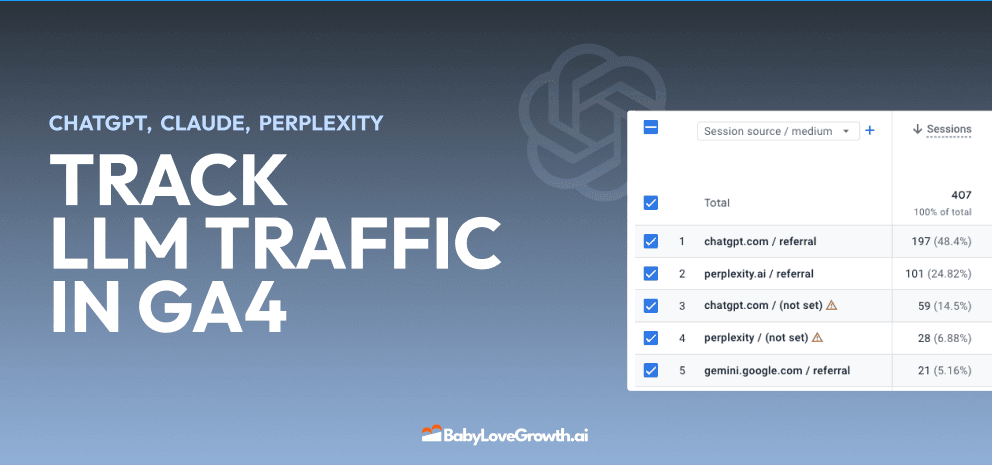
Track LLM Traffic in Google Analytics 4 (GA4)
Learn how to track and analyze traffic from AI sources like ChatGPT, Claude, Perplexity, and Google Gemini in Google Analytics 4. This step-by-step guide shows you how to set up custom filters to monitor AI-driven traffic and make data-driven decisions for your content strategy.
DylenMar 18, 2025
How to Humanize AI Text with Instructions
Learn practical techniques to make AI-generated content sound more natural and human. This guide covers active voice, direct addressing, concise writing, and other proven strategies to transform robotic text into engaging content.
DylenApril 7, 2025
Open AI Revenue and Statistics (2024)
Comprehensive analysis of OpenAI financial performance, user engagement, and market position in 2023. Discover key statistics including $20B valuation, $1B projected revenue, and 100M+ monthly active users.
DylenOctober 03, 2025