Types of B2B Backlinks That Drive Real SEO Results


TL;DR:
- B2B backlinks primarily focus on bottom-funnel pages that drive revenue and target buyer-relevant publications.
- Effective strategies include digital PR, guest posting, broken link building, and leveraging original data, all emphasizing quality over quantity.
B2B backlinks are inbound links from external websites that point to your business site, and the types you pursue determine whether your SEO investment generates revenue or just vanity metrics. Unlike B2C link building, which often targets awareness-stage content, B2B backlinks focus on bottom-funnel revenue-driving pages where buyer intent is highest. The right mix of guest posts, digital PR, broken link building, and HARO placements can triple organic traffic and generate 90% more leads year over year. This guide breaks down every major type of B2B backlink, how each one works, and which ones are worth your time in 2026.
1. Types of B2B backlinks: the full taxonomy
Before comparing tactics, you need a clear map of what actually exists. B2B backlink types fall into two broad categories: editorial links you earn through content quality and outreach, and non-editorial links you acquire through directories, profiles, or exchanges. The distinction matters because most rankings-moving backlinks in 2026 are earned editorially, not purchased or mass-submitted.
Here is the full taxonomy every B2B SEO professional should know:
- Guest post links: You write original content for an industry publication, and the site links back to your target page within the body or author bio.
- Broken link building links: You identify dead links on relevant sites, then pitch your content as a replacement.
- Digital PR links: Journalists and editors cite your original research, data studies, or expert commentary in their editorial coverage.
- HARO and expert commentary links: Platforms like HARO (Help a Reporter Out), now operating as Connectively, connect you with journalists seeking expert sources.
- Linkable asset links: Free tools, ROI calculators, benchmark reports, and downloadable templates attract organic citations from other content creators.
- Unlinked brand mention links: Sites that reference your brand name without hyperlinking give you a low-effort reclamation opportunity.
- Partner and co-marketing links: Joint content with non-competing but vertically adjacent businesses creates mutual editorial links.
- Niche directory links: Industry-specific directories like Clutch or G2 provide contextual citations, though their SEO value is limited compared to editorial placements.
Pro Tip: Filter every potential link source through one question before outreach: would a qualified buyer actually read this publication? If not, the domain authority number is irrelevant.
2. Guest posting: the most scalable editorial tactic

Guest posting on niche industry sites remains the most scalable B2B backlink tactic when you have content resources available. Guest posting yields roughly a 40% acceptance rate, which means a disciplined outreach program can generate a predictable volume of placements each month. The key differentiator in B2B is targeting publications your actual buyers read, not just sites with high domain ratings.
The best guest post targets for B2B include trade publications, SaaS review blogs, industry association sites, and niche newsletters with engaged subscriber bases. A cybersecurity firm placing a guest post on Dark Reading reaches CISOs directly. A supply chain software company writing for Supply Chain Dive reaches procurement directors. Relevance to the buyer's daily reading habits is the metric that separates useful placements from wasted effort.
3. Broken link building: high ROI with less writing
Broken link building delivers a 28% conversion rate on outreach, making it one of the strongest non-editorial tactics available. The process is straightforward: use tools like Ahrefs or Screaming Frog to identify dead links on relevant industry pages, then contact the site owner with a working replacement from your own content library. You solve their problem while earning a contextual link.
This tactic works particularly well for B2B companies that have already built a content library but lack the bandwidth for constant new writing. You are repurposing existing assets rather than creating from scratch. The link building strategies that compound fastest often combine broken link building with a steady guest post cadence, since both tactics reinforce each other's outreach relationships over time.
4. Digital PR: the highest-authority link source
Digital PR campaigns combining original research, expert commentary, and data-led stories generate 20 to 80 editorial links per campaign, with compounding citations accumulating for years afterward. A single well-executed study published in a trade journal or picked up by TechCrunch, Forbes, or Harvard Business Review creates a link asset that other writers cite repeatedly without any additional outreach from you.
The mechanics involve three components working together. First, you produce original data that no one else has. Second, you craft a press angle that makes the data newsworthy. Third, you distribute it to journalists who cover your industry beat. B2B companies that run digital PR campaigns quarterly build a compounding citation profile that generic link-building tactics cannot replicate.
5. HARO and expert commentary placements
HARO (now Connectively) connects journalists at publications like Inc., Entrepreneur, and Wired with expert sources on deadline. A well-timed, specific response to a journalist's query can earn a link from a domain with a rating above 80 within 48 hours. The barrier to entry is low, but the competition for top-tier placements is high.
The B2B advantage here is specificity. A journalist writing about SaaS pricing models wants a VP of Product, not a generalist marketer. Your technical expertise is the asset. Commit to responding to five to ten relevant queries per week, and you will accumulate a steady stream of high-authority mentions that build both domain authority and brand recognition among your buyers' trusted media sources.
6. Linkable assets: tools and data that attract links passively
Original industry benchmarks and proprietary data studies create link magnet assets that compound value over years as other marketers cite unique data repeatedly. A free ROI calculator, an annual salary benchmark report, or an industry-specific glossary page becomes a reference point that writers link to without any outreach from you.
The investment is front-loaded. Building a genuinely useful free tool or producing a statistically valid survey takes real resources. The payoff is that the asset earns links while you sleep. Salesforce's State of Sales report, HubSpot's annual marketing benchmarks, and Gartner's technology forecasts are enterprise-scale examples of this principle. You do not need Gartner's budget to execute the same strategy at a niche level.
7. Unlinked brand mentions and round-up inclusions
Every time a publication mentions your brand name without linking to your site, you have a reclamation opportunity. Tools like Ahrefs Alerts, Google Alerts, and Brand24 surface these mentions automatically. A polite outreach email asking the editor to add a link converts at a surprisingly high rate because the editor has already decided your brand is worth referencing.
Round-up posts present a similar passive opportunity. When a site publishes "10 best CRM tools for mid-market B2B" and includes your product, you can request a link if one was not included. These placements require minimal effort and often land on pages with strong topical authority in your niche.
8. How to evaluate which backlink types work best for your situation
Not every tactic fits every team. The table below maps each major B2B backlink type against the metrics that matter most for SEO professionals making resource allocation decisions.
| Backlink type | Conversion/acceptance rate | Effort level | SEO impact | Best for |
|---|---|---|---|---|
| Guest posting | ~40% acceptance | High (writing required) | Strong editorial | Teams with content resources |
| Broken link building | ~28% conversion | Medium (outreach focus) | Strong contextual | Outreach-focused teams |
| Digital PR | Varies by campaign | Very high (research + PR) | Highest authority | Brands with original data |
| HARO/expert commentary | Low per query, high ROI | Low to medium | High authority | Founders and subject experts |
| Linkable assets | Passive after creation | High upfront | Compounding | Long-term SEO investment |
| Unlinked mention reclamation | High (60%+ response) | Low | Moderate | Any team, quick wins |
| Niche directories | Near 100% | Very low | Low to moderate | Brand citations only |
Pro Tip: Run a buyer-relevance test on every link source before outreach. Ask: does this site's audience include people who could actually buy from us? A DR 90 link from an irrelevant blog moves rankings less than a DR 55 link from a publication your buyers read weekly.
High-DR backlinks only deliver value when they pass the buyer-relevance test, meaning the link's traffic converts to viable leads rather than just boosting domain authority superficially.
9. Content strategies that earn high-quality B2B backlinks
64% of B2B marketers conduct competitor research monthly, which signals that original data is the primary currency for earning editorial backlinks. When you publish research that competitors are actively seeking, you become the source they cite. This is the core logic behind data-driven content as a B2B link building strategy.
Four content approaches consistently outperform generic blog posts for link acquisition:
- Proprietary research and surveys: Annual benchmark reports, original survey data, and industry studies give journalists and bloggers a citable source they cannot find elsewhere.
- Founder-led thought leadership: A named-expert program lasting 6 to 12 months builds editorial links and entity authority that search engines prioritize. When your CEO or founder becomes a recognized voice in trade media, links follow naturally.
- Free tools and calculators: An ROI calculator, a pricing estimator, or a compliance checklist embedded on your site attracts links from content creators who want to give their readers a useful resource.
- Partner co-marketing content: Joint whitepapers, co-authored research, and shared webinar content with non-competing partners create bilateral link opportunities. Bilateral exchanges between vertically relevant but non-competing publishers still work in 2026, though obvious multi-link exchanges trigger algorithmic penalties.
The backlink tactics that generate the most durable results combine at least two of these approaches simultaneously, pairing original data with founder commentary or free tools with co-marketing distribution.
10. Common mistakes and best practices for B2B backlink campaigns
The most common mistake in B2B link building is chasing domain authority scores without testing buyer relevance. A link from a generic marketing blog with a DR of 75 will not move your pipeline. A link from a niche procurement publication with a DR of 45 might generate three qualified demos in a week.
Five best practices that separate high-ROI campaigns from wasted budgets:
- Target bottom-funnel pages first. Link to your product pages, case study pages, and pricing pages, not just your blog homepage. B2B buyers follow links to pages that help them make decisions.
- Maintain a rhythmic cadence. A weekly placement cadence combined with monthly content drops and quarterly PR campaigns signals consistent authority to both human searchers and AI algorithms.
- Avoid low-effort mass tactics. Private blog networks (PBNs), mass directory submissions, and forum spam produce zero meaningful traffic and risk manual penalties from Google.
- Customize every outreach email. Generic templates get ignored. Reference a specific article the editor published, explain why your content adds something their audience has not seen, and keep the pitch under 150 words.
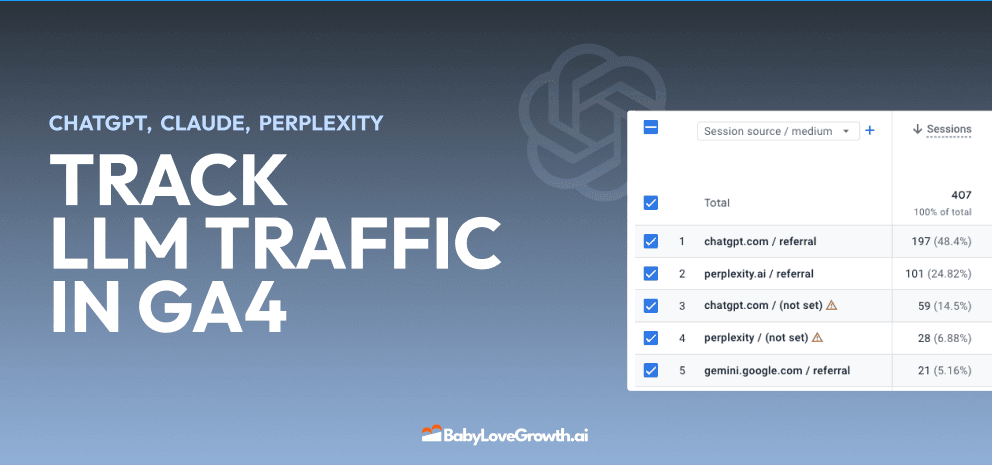
- Track link quality, not just link count. Monitor referral traffic, keyword ranking changes for the linked page, and lead attribution from linked pages using Google Analytics 4 and Google Search Console together.
Key takeaways
The most effective B2B backlink strategy combines editorial link types, buyer-relevant targeting, and a consistent campaign cadence to build authority that converts to revenue.
| Point | Details |
|---|---|
| Editorial links dominate in 2026 | Digital PR and guest posts earn the highest-authority links that actually move rankings. |
| Buyer relevance beats domain authority | A link from a niche trade publication outperforms a generic high-DR blog for lead generation. |
| Broken link building is high ROI | A 28% conversion rate makes it one of the most efficient outreach-based tactics available. |
| Original data compounds over time | Proprietary research and free tools attract passive citations for years after publication. |
| Cadence matters as much as volume | Weekly placements and quarterly PR phases build more durable authority than sporadic campaigns. |
What I have learned after years of watching B2B link campaigns succeed and fail
Most B2B teams I have observed make the same structural error: they treat link building as a one-time project rather than an ongoing editorial program. They run a guest post sprint for two months, see some ranking movement, then stop. Six months later, competitors who maintained a steady cadence have overtaken them, and the team wonders why the gains did not hold.
The shift I find most significant in 2026 is that fewer marketers overall are prioritizing link building, which creates a real competitive advantage for the teams that commit to it consistently. When your competitors pull back, your steady cadence of editorial placements compounds faster than it would in a crowded field.
My honest recommendation differs by team size. If you are a solo SEO professional or a small team, start with HARO and broken link building. Both require outreach skill over writing volume, and both can generate high-authority placements without a large content budget. If you have a content team, add guest posting and one annual data study. If you have a PR budget, digital PR campaigns are the single highest-leverage investment you can make for long-term link equity.
The one thing I would tell every B2B marketer reading this: stop building links to your homepage. Your homepage already has the most internal link equity on your site. Build links to the pages where buyers make decisions, and you will see pipeline impact within a quarter.
— MEET
Build your B2B backlink strategy with Babylovegrowth
Babylovegrowth automates the most time-consuming parts of B2B link building so your team can focus on strategy and relationships rather than manual outreach tracking.
The platform's backlink building software handles link acquisition at scale, connecting your content with a curated network of relevant publishers across your industry verticals. Babylovegrowth also includes AI-powered keyword discovery tools that align your content calendar with the exact search terms your buyers use, so every piece of content you create is built to earn links and rank simultaneously. If you are ready to move from sporadic link campaigns to a system that compounds month over month, Babylovegrowth gives you the infrastructure to do it.
FAQ
What are the most effective types of B2B backlinks?
Digital PR links, guest post links, and HARO placements are the most effective B2B backlink types in 2026 because they earn editorial citations from publications your buyers already trust. Broken link building adds strong ROI for teams that prefer outreach over content creation.
How do B2B backlinks differ from B2C backlinks?
B2B backlinks prioritize buyer-relevant industry publications and bottom-funnel pages, while B2C backlinks often target high-traffic awareness content. The goal in B2B is lead generation and pipeline impact, not just traffic volume.
How many backlinks does a B2B site need to rank?
There is no fixed number. Ranking depends on link quality, relevance, and the competitiveness of your target keywords. A handful of editorial links from authoritative trade publications will outperform hundreds of low-quality directory submissions.
What is the fastest way to get B2B backlinks?
Unlinked brand mention reclamation and HARO responses are the fastest paths to new B2B backlinks. Both require minimal content creation and can generate high-authority placements within days of outreach.
Are paid B2B backlinks worth the risk?
Paid links that are not disclosed violate Google's guidelines and risk manual penalties. The sustainable approach is earning editorial placements through content quality, expert commentary, and genuine outreach relationships.