Streamline Your Content Creation Workflow for SEO Success


Every campaign starts stronger when clear objectives and a well-defined audience guide the way. For Content Marketers and SEO Specialists, skipping these steps often leads to wasted resources and missed growth opportunities. By focusing on content goals and audience understanding, you set the stage for a content workflow that attracts the right visitors, measures real progress, and drives meaningful results across global markets.
Table of Contents
- Step 1: Define Content Goals And Audience
- Step 2: Research Keywords And Topics
- Step 3: Plan And Structure Content Calendar
- Step 4: Produce And Optimize High-Quality Content
- Step 5: Review, Test, And Publish For Seo
Quick Summary
| Key Insight | Explanation |
|---|---|
| 1. Define Clear Content Goals | Establishing specific, measurable objectives provides direction and focuses your content strategy effectively. |
| 2. Conduct Thorough Audience Research | Understanding your audience allows you to tailor content to meet their specific needs, enhancing engagement. |
| 3. Implement Keyword Research | Discovering relevant keywords informs your content topic choices and improves SEO performance. |
| 4. Create a Structured Content Calendar | A well-planned calendar helps maintain consistent, goal-driven content production aligned with business objectives. |
| 5. Rigorously Review Before Publishing | Conducting comprehensive testing ensures your content is optimized for SEO, readability, and user engagement. |
Step 1: Define content goals and audience
Defining clear content goals and understanding your target audience are foundational steps in creating an effective SEO content strategy. This process helps ensure that every piece of content you produce serves a strategic purpose and resonates with the right people.
Start by identifying specific, measurable objectives for your content. Setting clear content goals helps provide direction and focus for your marketing efforts. These goals might include:
- Generating qualified leads
- Increasing website organic traffic
- Improving audience engagement
- Building brand authority
- Driving conversion rates
Parallel to establishing goals, you need to develop a comprehensive understanding of your target audience. Identifying specific discourse communities allows you to tailor your content's tone, complexity, and messaging precisely. Conduct detailed audience research by:
Here's a quick reference of the differences between content goals and audience research:
| Focus Area | Main Objective | Example Outcome |
|---|---|---|
| Content Goals | Guide marketing direction | Increased qualified leads |
| Audience Research | Inform content personalization | Higher audience engagement |
| Combined Impact | Strategic, relevant content | Improved trust and authority |
- Analyzing current customer demographics
- Creating detailed audience personas
- Understanding pain points and challenges
- Mapping content to specific audience segments
- Tracking audience behavior and preferences
Your content's effectiveness directly correlates with how well you understand and address your audience's specific needs.
Through careful goal definition and audience research, you'll create a strategic foundation that transforms your content from generic to genuinely impactful.
Pro tip: Revisit and refine your content goals and audience personas quarterly to ensure continuous alignment with evolving market dynamics.
Step 2: Research keywords and topics
Keyword and topic research form the strategic backbone of your content creation process, helping you understand what your audience is searching for and how to effectively meet their information needs. This critical step transforms your content strategy from guesswork to data-driven precision.
Keyword research involves identifying relevant search terms that align with your audience's interests and search behaviors. Begin by exploring potential keywords through multiple approaches:- Use keyword research tools like SEMrush or Ahrefs
- Analyze Google Search Console suggestions
- Check competitor content strategies
- Explore related search queries
- Review industry forums and discussion boards
Evaluate each keyword based on several critical metrics:
- Search volume
- Keyword difficulty
- Relevance to your content goals
- User search intent
- Potential traffic opportunity
Effective keyword research goes beyond volume - it's about understanding the underlying questions and needs of your target audience.
Complement your keyword research by exploring broader topic clusters that provide comprehensive coverage of your subject area. This approach helps you create authoritative content that addresses multiple related search queries and establishes your expertise.

Pro tip: Create a dynamic keyword spreadsheet that you update monthly, tracking performance and discovering emerging search trends.
Step 3: Plan and structure content calendar
Creating a strategic content calendar is your roadmap to consistent, purposeful SEO content production. This crucial step transforms random content creation into a systematic, goal-driven approach that maximizes your organic visibility and audience engagement.
Developing a content calendar for AI-powered SEO requires careful planning and strategic thinking. Start by mapping out your content strategy with these essential components:- Monthly content themes
- Keyword targeting schedule
- Content type distribution
- Publication dates
- Responsible team members
Break down your content calendar development into these key steps:
- Align content with business objectives
- Balance different content formats
- Prioritize high-value keywords
- Create realistic production timelines
- Build in flexibility for trending topics
A well-structured content calendar is your secret weapon for maintaining consistent, high-quality SEO content production.
Utilize digital tools and spreadsheets to track your content progress, ensuring each piece of content connects strategically with your overall marketing goals. Consider using project management platforms that allow real-time collaboration and transparent workflow tracking.
Here is a summary of common content calendar components and their benefits:
| Calendar Component | Purpose | Business Benefit |
|---|---|---|
| Monthly Themes | Provide content direction | Stronger brand consistency |
| Keyword Targeting | Align content with SEO strategy | Improved organic visibility |
| Content Type Distribution | Reach diverse audiences | Higher engagement rates |
Pro tip: Schedule a quarterly content strategy review to adjust your calendar based on performance metrics and emerging market trends.
Step 4: Produce and optimize high-quality content
Creating exceptional SEO content requires a strategic blend of creativity, technical precision, and audience-focused writing. Your goal is to craft content that not only ranks well in search engines but also delivers genuine value to your readers.
Producing high-quality content demands professional standards that balance technical optimization with engaging storytelling. Focus on developing content that meets these critical criteria:- Thorough keyword integration
- Compelling narrative structure
- Clear and concise writing
- Multimedia content enhancement
- Comprehensive fact-checking
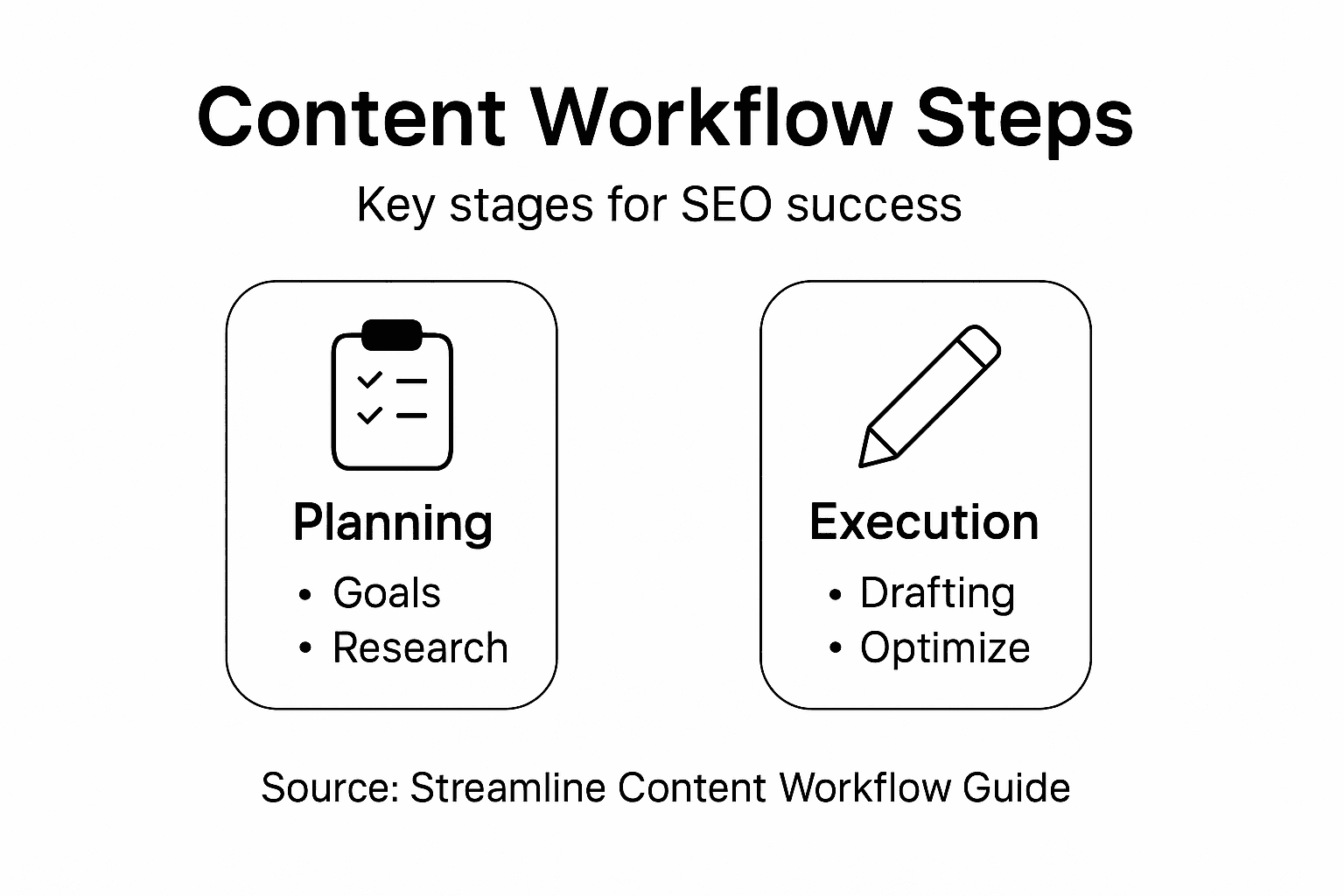
Implement your content optimization strategy through these key steps:
- Research topic comprehensively
- Draft original, valuable content
- Integrate target keywords naturally
- Optimize meta descriptions and titles
- Add internal and external links
High-quality content is a strategic asset that builds trust, authority, and long-term audience engagement.
Technical optimization goes beyond just writing. Ensure your content meets accessibility standards, uses proper heading structures, and provides a seamless reading experience across different devices and platforms.
Pro tip: Create a personal editing checklist that includes SEO requirements, readability scores, and audience relevance to maintain consistent content quality.
Step 5: Review, test, and publish for SEO
The final stage of your content creation workflow involves meticulous review, technical testing, and strategic publishing to ensure maximum search engine visibility and user engagement. This critical phase transforms your content from a draft into a powerful SEO asset.
Google's SEO starter guide recommends comprehensive content testing before publishing to maximize search performance. Implement a thorough review process that covers these essential aspects:- Technical SEO elements
- Content accuracy
- Readability and user experience
- Mobile responsiveness
- Keyword optimization
Execute your final review through these systematic steps:
- Conduct comprehensive content audit
- Verify technical SEO requirements
- Run readability and grammar checks
- Test cross-device compatibility
- Validate internal and external links
Rigorous pre-publication testing separates good content from exceptional, search-dominating content.
Beyond technical checks, ensure your content delivers genuine value by addressing user intent, providing unique insights, and maintaining a clear, engaging narrative structure. Continuous monitoring and iterative improvements are key to sustained SEO success.
Pro tip: Create a pre-publishing checklist with specific SEO and quality criteria to streamline your review process and maintain consistently high-performing content.
Unlock Seamless SEO Content Workflows with AI-Powered Precision
The article highlights the challenges many face when trying to streamline their SEO content creation workflow. Common pain points include juggling keyword research, content planning, optimization, and publishing while maintaining high quality and consistent output. If you want to move beyond tedious manual processes and create content that truly connects with your audience while boosting search rankings, an AI-driven solution can make all the difference.
Babylovegrowth.ai offers an all-in-one platform designed to tackle these key hurdles. With automated keyword discovery, comprehensive content calendars, and step-by-step publishing tools, it effortlessly aligns your content goals and audience strategies. Its features also ensure your content meets all technical SEO requirements and adapts for multiple search engines, including AI-based ones like ChatGPT.

Transform your content creation process today by exploring how Babylovegrowth.ai can elevate your organic traffic and brand visibility. Don’t wait to achieve scalable, consistent SEO success—visit Babylovegrowth.ai now and start building your smartest content workflow.
Frequently Asked Questions
How can I define clear content goals for my SEO strategy?
To define clear content goals, start by identifying specific, measurable objectives that align with your overall marketing strategy. For instance, aim to increase qualified leads by 25% within the next quarter.
What steps should I take to conduct effective audience research?
To conduct effective audience research, analyze your current customer demographics, create detailed audience personas, and understand their pain points. This will help you tailor your content to meet their specific needs.
How can I effectively research keywords for my content?
To effectively research keywords, utilize keyword research tools to identify relevant search terms. Aim to compile a list of at least 20 high-value keywords based on search volume and user intent to guide your content creation.
What components should I include in my content calendar?
Include components like monthly content themes, a keyword targeting schedule, and publication dates in your content calendar. This structured approach can help you maintain a consistent content production schedule.
How do I ensure my content is optimized for SEO before publishing?
Before publishing, conduct a thorough review that focuses on technical SEO elements and content accuracy. Implement a pre-publishing checklist to verify all SEO criteria are met, such as keyword integration and mobile responsiveness.
What are some tips for producing high-quality SEO content?
To produce high-quality SEO content, integrate keywords naturally within a compelling narrative and ensure the content is thoroughly researched. Aim for a clear and concise writing style, and consider adding multimedia elements for enhanced engagement.
Recommended
Smart SEO,
Faster Growth!
Most Read Articles
Generative Engine Optimization (GEO)
Learn how Generative Engine Optimization (GEO) helps your content rank in AI search engines like ChatGPT and Google AI. This comprehensive guide explains the differences between SEO and GEO, why it matters for your business, and practical steps to implement GEO strategies for better visibility in AI-generated responses.
DylenJan 18, 2025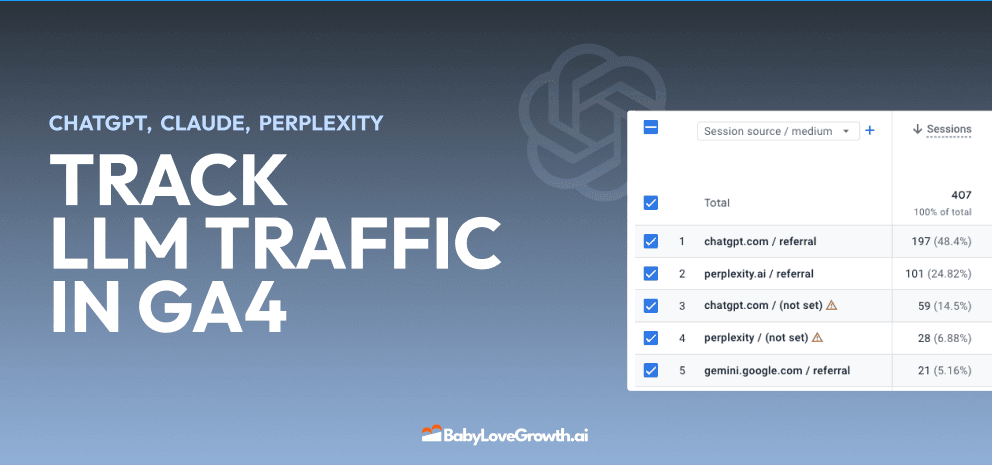
Track LLM Traffic in Google Analytics 4 (GA4)
Learn how to track and analyze traffic from AI sources like ChatGPT, Claude, Perplexity, and Google Gemini in Google Analytics 4. This step-by-step guide shows you how to set up custom filters to monitor AI-driven traffic and make data-driven decisions for your content strategy.
DylenMar 18, 2025
How to Humanize AI Text with Instructions
Learn practical techniques to make AI-generated content sound more natural and human. This guide covers active voice, direct addressing, concise writing, and other proven strategies to transform robotic text into engaging content.
DylenApril 7, 2025
Open AI Revenue and Statistics (2024)
Comprehensive analysis of OpenAI financial performance, user engagement, and market position in 2023. Discover key statistics including $20B valuation, $1B projected revenue, and 100M+ monthly active users.
DylenOctober 03, 2025