Developing a Content Calendar for AI-Powered SEO Success


Every e-commerce marketer knows that content without direction leads to wasted effort and missed growth. Aligning your content calendar with real business goals sets the stage for SEO success and sustainable traffic gains. When you pair audience research, clear objectives, and SMART goal planning with the right AI tools, you build a roadmap that turns content planning from a guessing game into a predictable driver of organic growth and conversions.
Table of Contents
- Step 1: Assess Business Goals And Audience Needs
- Step 2: Identify Strategic Keywords And Content Themes
- Step 3: Map Out Publishing Frequency And Content Formats
- Step 4: Organize Content Topics And Schedule With AI Tools
- Step 5: Review And Refine Your Calendar For Maximum Impact
Quick Summary
| Key Insight | Explanation |
|---|---|
| 1. Set SMART Business Goals | Define Specific, Measurable, Achievable, Relevant, and Time-bound objectives to guide your content strategy effectively. |
| 2. Understand Audience Segmentation | Identify key characteristics of your audience, like age and job title, to create targeted and relevant content. |
| 3. Analyze Current Content Performance | Conduct a content audit to determine what drives traffic and conversions, focusing on successful elements. |
| 4. Determine Publishing Frequency | Establish a sustainable publishing frequency that matches your resources and audience engagement patterns. |
| 5. Utilize AI for Topic Organization | Leverage AI tools to automate topic suggestions and maintain a balanced, data-driven content calendar. |
Step 1: Assess business goals and audience needs
Before you build your content calendar, you need to understand what success looks like for your business. This step determines everything that follows, so spend time getting it right. You'll define your objectives, understand who you're creating content for, and ensure your calendar serves real business needs rather than just filling publishing slots.
Start by defining your business goals using SMART criteria. Your goals should be Specific, Measurable, Achievable, Relevant, and Time-bound. Instead of saying "increase traffic," try "generate 5,000 additional organic visitors per month within six months." If you sell e-commerce products, your goal might be "increase product page conversions by 12% in the next quarter." These concrete targets give your content calendar direction and let you measure whether your efforts actually work.
Next, get crystal clear about who you're creating content for. Your audience isn't everyone online. Segment your target market by characteristics like age, job title, buying stage, and pain points. An audience of e-commerce managers just starting out has completely different needs than experienced ones managing multi-million dollar operations. When you understand these segments, you can create content that actually resonates instead of generic material nobody needs.
Here is a summary of key audience segmentation criteria and how they impact content creation:
| Segmentation Criteria | Why It Matters | Example Impact on Content |
|---|---|---|
| Age | Influences topics, tone, visuals | Younger readers may favor trend-focused guides |
| Job Title | Shapes technical depth and message | Managers need strategic tips, staff need basics |
| Buying Stage | Guides content funnel mapping | Early-stage visitors need education, late-stage need product comparisons |
| Pain Points | Ensures content solves real problems | Content addresses their most urgent challenges |
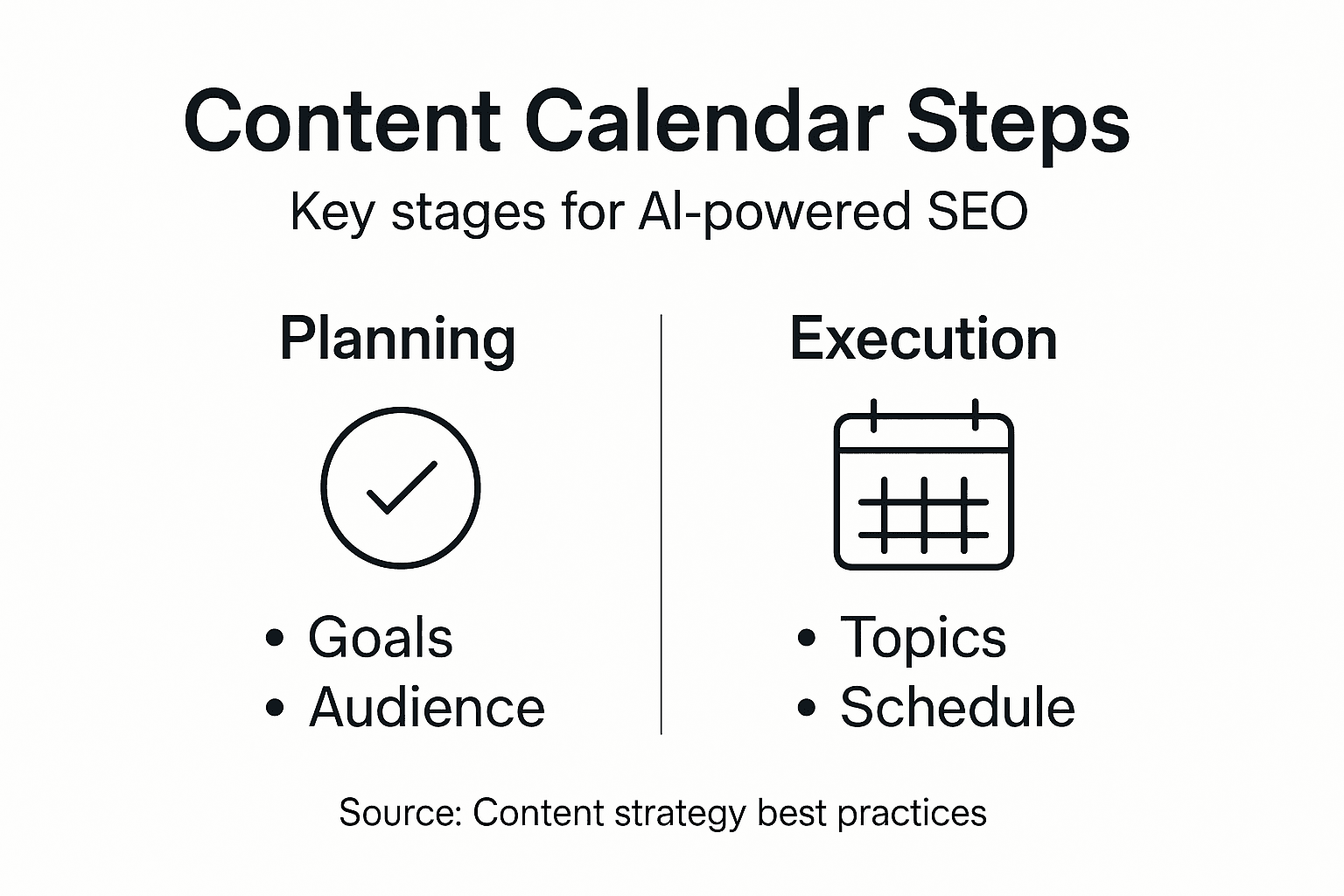
Conduct a quick content audit to see what's already working for your business. Look at your current blog posts, product pages, and any other content you've published. Which pieces drive traffic? Which ones convert visitors into customers? Aligning your content calendar with business goals requires understanding this current performance so you don't repeat what isn't working and double down on what is.
Finally, map business dates and seasonal events that matter for your business. E-commerce businesses see traffic spikes around Black Friday, holiday shopping, and back-to-school periods. These aren't random dates you ignore. Plan content around them so you're positioned to capture demand when customers are actively searching. Your content calendar should work with these natural business rhythms, not against them.
Pro tip: Document your top three business goals and your primary audience segments in a shared document your team can access. This shared reference prevents conflicting priorities later and keeps everyone aligned when you're building out your calendar.
Step 2: Identify strategic keywords and content themes
With your business goals and audience needs mapped out, you're ready to find the keywords and themes that will drive your content calendar forward. This step connects what your audience is actually searching for with the content you need to create. The right keywords become the foundation of your entire content strategy, so getting this right pays dividends for months ahead.
Start by researching what your target audience is searching for. Use tools like Google's search suggestions, Google Analytics, and keyword research platforms to uncover real search queries related to your products or services. If you sell e-commerce software, your audience might search "how to optimize product pages for conversions" or "inventory management best practices." These aren't random guesses. They're actual questions people type into search engines when they need solutions you can provide.
Look for target keywords that match your business goals. You'll want a mix of high-volume keywords that bring traffic and longer, more specific phrases that match purchasing intent. High-volume keywords might get 5,000 searches per month but face stiff competition. Specific keywords like "inventory management software for small retailers" might only get 200 searches monthly, but people searching that phrase are ready to buy. Include both types in your content themes.
Group these keywords into content themes that naturally cluster together. If you keep finding searches about product page optimization, page speed, mobile experience, and checkout flow, that's one theme around "conversion rate optimization." Another theme might be "content marketing strategies" if searches center on blog planning, audience engagement, and distribution. These themes become the pillar topics you'll write about repeatedly, building topical authority with search engines.
Consider competitive keywords in your space to understand what your competitors are ranking for and where opportunities exist. If competitors rank for obvious keywords but ignore long tail variations or emerging search trends, you've found your opening. Your content calendar should target these gaps where demand exists but supply is limited.
Finally, align your keywords back to your audience segments and business goals. A keyword is only valuable if it attracts the right people and moves your business forward. Skip keywords that look good on paper but don't match your actual audience or sales objectives.
Pro tip: Create a simple spreadsheet organizing your keywords by theme, monthly search volume, and difficulty level. Color code it by priority so your team sees at a glance which themes deserve the most content calendar space.
Step 3: Map out publishing frequency and content formats
Now that you know your keywords and themes, you need to decide how often you'll publish and what forms your content will take. This is where your content calendar starts to look less like a strategy document and more like an actual schedule your team can execute. Getting this right means maintaining consistent output without burning out your team.
Start by determining a realistic publishing frequency based on your resources and business goals. If you have one writer handling content creation, publishing three blog posts weekly might lead to burnout and lower quality. Two posts per week might be sustainable and still move the needle on your goals. Consider what your audience expects. B2B companies often publish weekly or biweekly, while e-commerce brands might publish multiple times daily on social media. Match your frequency to what works for your industry and team capacity.

Analyze your audience engagement patterns to understand when and where they consume content most actively. AI tools can analyze audience engagement patterns and suggest optimal posting schedules based on when your followers are most active. Some audiences engage heavily with blog posts on Tuesday mornings. Others prefer video content on weekends. Your analytics reveal these patterns. Use them to time your content strategically.
Decide which content formats will dominate your calendar. Blog posts build long term SEO value. Videos capture attention and improve engagement. Infographics get shared more often. Email newsletters keep your audience connected between website visits. For an e-commerce business, a strong mix might be 60 percent blog content, 20 percent video guides, 15 percent social content, and 5 percent email campaigns. This balance ensures you build organic search traffic while maintaining engagement across channels.
To clarify the value of publishing frequency and content mix, here is a quick comparison:
| Content Mix Element | Typical Share (%) | Main Advantage | Risk of Overuse |
|---|---|---|---|
| Blog Posts | 60 | SEO growth | Missed engagement on other channels |
| Video Guides | 20 | Higher engagement | Resource intensive production |
| Social Media Content | 15 | Faster interaction | Lower evergreen value |
| Email Campaigns | 5 | Direct audience reach | Can lead to unsubscribes if overused |
Consider repurposing content to maximize your reach across multiple platforms. One comprehensive blog post becomes three social media posts, one video outline, one email newsletter segment, and one infographic. This approach multiplies the value of your writing effort without requiring proportional increases in resource investment.
Finally, sketch out your calendar for the next 90 days. Block in your publishing dates, content formats, and assigned writers or creators. This visual map prevents scheduling conflicts and ensures variety in your content mix.
Pro tip: Use a color coding system in your calendar where each color represents a different content format, making it easy to spot if you are over publishing one type and neglecting another.
Step 4: Organize content topics and schedule with AI tools
This is where AI becomes your competitive advantage. Instead of manually organizing topics and juggling spreadsheets, AI tools handle the heavy lifting by analyzing market trends, audience preferences, and SEO data to generate content ideas and structure your publishing calendar. You move from guesswork to data-driven scheduling that saves time and improves results.
Start by inputting your keywords, business goals, and audience segments into an AI content calendar tool. These platforms analyze your data and suggest relevant topics that align with what your audience searches for and what your competitors are missing. The tool might suggest "e-commerce inventory management for small businesses" when it sees you rank well for similar topics but haven't covered this angle. You get smart content suggestions based on real market opportunities, not random brainstorms.
AI content calendar generators streamline organizing topics by offering automated scheduling and cross-platform integration. Once you approve suggested topics, the tool distributes them across your chosen formats and channels. It maintains posting consistency by tracking your publishing schedule and flagging gaps. If you planned blog content for three weeks straight but forgot social media posts, the tool catches that and alerts you to rebalance your calendar.Use the tool to sequence your content strategically. Some topics need to publish before others. If you're launching a new product, educational content about the problem it solves should go live first, followed by comparison content, then product announcement content. AI tools can organize this sequencing automatically, ensuring your content funnel flows logically from awareness to consideration to decision.
Integrate your calendar across all publishing platforms. Whether you post to WordPress, social media, email, or your newsletter platform, the AI tool syncs everything together. This prevents duplicate publishing and ensures your message stays consistent across channels. Your team sees one unified calendar instead of managing separate schedules for each platform.
Review and adjust recommendations as needed. AI suggests, but you decide. If a suggested topic doesn't align with your goals or you've already covered it recently, remove it. The best approach combines AI efficiency with human judgment about your actual business needs.
Pro tip: Start by having the AI tool plan 90 days of content, then adjust and refine for 30 days before rolling it out, so your team gains confidence in the system before full automation.
Step 5: Review and refine your calendar for maximum impact
Your calendar isn't set in stone. The real work happens after launch, when you start measuring what actually works and adjusting accordingly. Review and refinement transform your calendar from a static plan into a dynamic system that continuously improves your results.
Start reviewing performance data two to three weeks after you begin executing your calendar. Look at which content pieces drive the most organic traffic, generate the highest engagement, and convert visitors into customers. A blog post on "inventory management for small retailers" might get 200 views and convert 8 visitors. Another on "seasonal product planning" gets 50 views but converts 12. Both metrics matter. One builds awareness, one drives conversions. Understanding this distinction shapes your next refinements.
Using AI to analyze performance metrics and audience engagement reveals patterns about what resonates with your audience. AI tools automatically flag underperforming content and highlight your top performers. Instead of manually reviewing 50 articles, the tool shows you the standouts and the duds. This automated analysis saves hours while ensuring you base decisions on real data, not hunches.
Adjust your publishing schedule based on what you learn. If blog content consistently outperforms video on your audience, shift 20 percent of your video resources back to written content. If posts published on Tuesday morning get 40 percent more engagement than Thursday posts, move more content to Tuesdays. If your product pages rank well but your comparison content lags, produce more comparison articles. Let your data guide your refinements.
Update topic relevance by examining search trends and competitive moves. New competitors might enter your space, demanding fresh comparison content. Customer questions might evolve, requiring updated guides. Seasonal shifts might create new opportunities. Refine your keyword strategy quarterly to stay ahead of these changes.
Also evaluate alignment with your business goals. Are your conversions increasing? Is your organic traffic growing? If traffic grew 20 percent but conversions stayed flat, your content strategy needs adjustment. Maybe your content attracts visitors but fails to convince them to buy. That insight guides your next round of refinements.
Pro tip: Set up a monthly review meeting with your team where you analyze the top three performers and worst three performers, discussing what made them succeed or fail before updating your next month's schedule.
Unlock AI-Powered Content Calendars for Proven SEO Growth
Building a content calendar that truly drives results requires mastering strategic keyword targeting, audience segmentation, and consistent publishing schedules. The article highlights challenges like managing keyword themes, aligning content with business goals, and scheduling diverse formats without burnout. These pain points can slow down your organic growth and cloud your content planning.
Babylovegrowth.ai simplifies this complexity with an AI-driven platform designed to automate and optimize your entire content strategy. From generating high-quality, Google-optimized articles to crafting a personalized 30-day content plan that fits your exact business needs, our solution ensures every piece of content maps directly to your goals. Say goodbye to manual keyword research and haphazard schedules. Instead, leverage intelligent tools that adjust based on real performance data and competitive insights.
Ready to transform your content calendar into a well-oiled SEO engine that delivers lasting organic traffic and conversions?
Discover how our automated SEO solutions can reduce workload, increase traffic, and boost rankings on both Google and ChatGPT. Start your free trial today and get a step-by-step AI-powered content calendar tailored just for your business. Visit Babylovegrowth.ai to take control of your SEO success.
Explore deeper insights on identifying target keywords and learn how AI content calendar generators can revolutionize your publishing plan.
Frequently Asked Questions
How can I define my business goals when developing a content calendar for AI-powered SEO?
To define your business goals, use the SMART criteria: make your goals Specific, Measurable, Achievable, Relevant, and Time-bound. For example, aim to "generate 5,000 additional organic visitors per month within six months" to ensure your content calendar aligns with clear objectives.
What are effective ways to segment my audience for content creation?
Segment your audience by characteristics such as age, job title, buying stage, and pain points. This helps tailor content to meet specific needs, like creating resources for e-commerce managers versus entry-level staff, ensuring your content resonates with different audience segments.
How can I identify the right keywords and themes for my content calendar?
Research what your target audience is searching for using keyword tools and data analytics. Organize your findings into themes that align with your business goals, such as focusing on "conversion rate optimization" for e-commerce, allowing you to create targeted and relevant content.
What publishing frequency should I aim for in my content calendar?
Determine a realistic publishing frequency based on your resources and audience engagement. For example, if you can sustainably publish twice a week without sacrificing quality, focus on maintaining that frequency to build consistent traffic and engagement over time.
How can AI tools help in organizing and scheduling content topics?
AI tools can generate topic ideas based on market trends, audience preference, and SEO data. By inputting your keywords and business goals into these tools, you can automate the scheduling process, ensuring you maintain consistent and relevant content publishing without the manual workload.
What should I review when refining my content calendar after it launches?
Review performance metrics such as organic traffic, engagement rates, and conversion rates two to three weeks post-launch. Analyze which content performs best and adjust your calendar accordingly, ensuring you focus on topics that drive results, refining your strategy every month.
Recommended
Smart SEO,
Faster Growth!
Most Read Articles
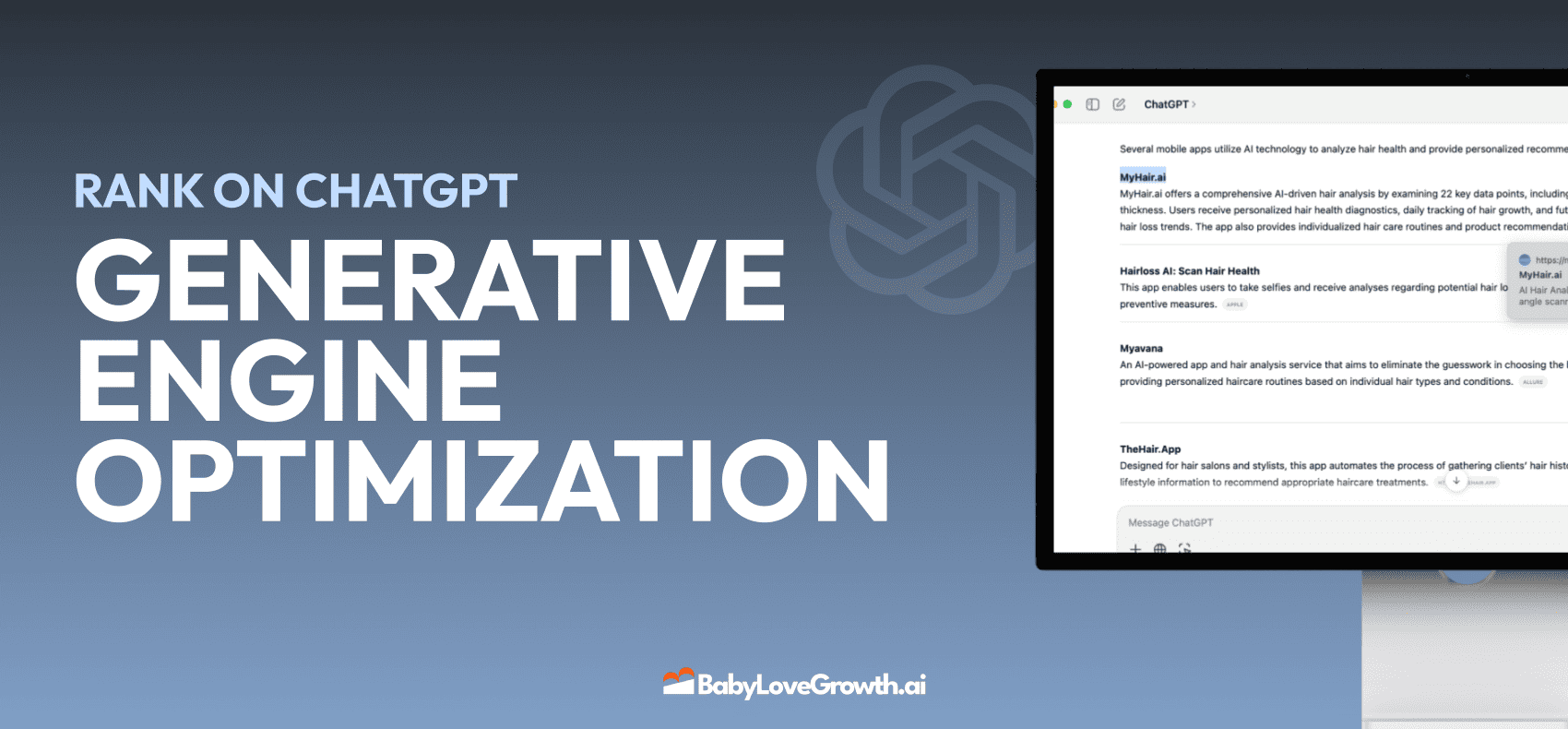
Generative Engine Optimization (GEO)
Learn how Generative Engine Optimization (GEO) helps your content rank in AI search engines like ChatGPT and Google AI. This comprehensive guide explains the differences between SEO and GEO, why it matters for your business, and practical steps to implement GEO strategies for better visibility in AI-generated responses.
DylenJan 18, 2025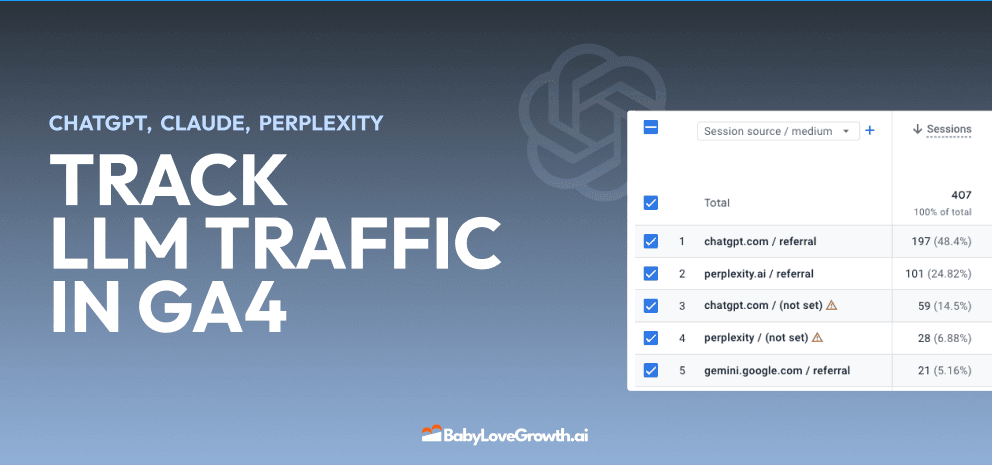
Track LLM Traffic in Google Analytics 4 (GA4)
Learn how to track and analyze traffic from AI sources like ChatGPT, Claude, Perplexity, and Google Gemini in Google Analytics 4. This step-by-step guide shows you how to set up custom filters to monitor AI-driven traffic and make data-driven decisions for your content strategy.
DylenMar 18, 2025
How to Humanize AI Text with Instructions
Learn practical techniques to make AI-generated content sound more natural and human. This guide covers active voice, direct addressing, concise writing, and other proven strategies to transform robotic text into engaging content.
DylenApril 7, 2025
Open AI Revenue and Statistics (2024)
Comprehensive analysis of OpenAI financial performance, user engagement, and market position in 2023. Discover key statistics including $20B valuation, $1B projected revenue, and 100M+ monthly active users.
DylenOctober 03, 2025