How to Improve Website SEO for Higher Organic Traffic


High competition in AI-driven search results pushes SEO specialists to search for smarter ways to stay ahead. With clients asking for results and search engines updating more frequently, the right tools can make all the difference. This guide highlights automated SEO analysis tools and key data-driven processes that help digital agencies monitor site health, pinpoint keyword opportunities, and refine strategies for consistent top visibility in every market.
Table of Contents
- Step 1: Set Up Automated SEO Analysis Tools
- Step 2: Identify Strategic Keywords and Opportunities
- Step 3: Optimize On-Page Content and Structure
- Step 4: Build High-Quality Backlinks and Authority
- Step 5: Monitor Results and Fine-Tune Strategies
Quick Summary
| Key Insight | Explanation |
|---|---|
| 1. Implement Automated SEO Tools | Use comprehensive SEO tools for real-time diagnostics, tracking, and optimization opportunities to enhance website performance. |
| 2. Focus on Strategic Keyword Selection | Identify high-potential keywords through AI tools to improve content relevance and effectively target your audience. |
| 3. Optimize On-Page Content | Design content with clear structure and relevant keywords to meet both search engine and user experience needs. |
| 4. Build Quality Backlinks | Create valuable connections by securing authoritative backlinks to enhance your website's credibility and rankings. |
| 5. Regularly Monitor SEO Performance | Continuously track key metrics and adjust strategies based on performance data for sustained organic search success. |
Step 1: Set Up Automated SEO Analysis Tools
Setting up automated SEO analysis tools transforms how you monitor and improve website performance. These powerful platforms help you diagnose technical issues, track keyword rankings, and identify optimization opportunities across your entire digital presence.
Start by selecting a comprehensive SEO tool that offers real-time analysis and actionable insights. Look for platforms supporting multiple aspects of technical SEO including site crawling, performance monitoring, and competitor benchmarking. Role of AI in SEO audits has become increasingly sophisticated, allowing more precise diagnostics than manual checking. When choosing your tool, prioritize features like automated error detection, keyword tracking, backlink analysis, and integration capabilities with your existing analytics systems.
Most professional SEO tools offer tiered subscription models with increasing functionality. Begin with a mid-tier package that provides core features without overwhelming you with complex data. Configure your tool to run regular automated scans tracking critical metrics like page load speed, mobile responsiveness, broken links, and search engine indexing status. Set up custom alerts for significant changes or performance drops to ensure proactive management of your website's search visibility.
Pro tip: Configure your automated SEO tool to send weekly summary reports directly to your primary work email, ensuring you stay informed without constant manual checking.
Here's a comparison of key SEO tool features and their business impact:
| Feature | Description | Business Impact |
|---|---|---|
| Site Crawl | Scans site for issues | Improves site health and UX |
| Keyword Tracking | Monitors ranking changes | Enables agile content updates |
| Backlink Analysis | Assesses inbound links | Increases domain credibility |
| Real-Time Alerts | Notifies on major changes | Reduces risk of lost rankings |
| Integration | Syncs with analytics tools | Provides holistic performance data |
Step 2: Identify Strategic Keywords and Opportunities
Identifying strategic keywords is crucial for driving organic traffic and improving your website's search engine visibility. This process involves uncovering high potential search terms that align with your target audience's search behaviors and your content goals.
Begin by leveraging AI-powered keyword research tools that help you discover hidden opportunities. Strategic keyword selection plays a critical role in improving content discoverability across search platforms. Focus on long tail keywords with moderate search volume and lower competition, which allow you to target specific audience segments more effectively. Analyze your competitors keyword strategies, examine search intent behind different queries, and prioritize keywords that demonstrate clear commercial or informational value.
Utilize advanced keyword research techniques such as exploring related search terms, examining Google suggestions, and analyzing industry forums to expand your keyword universe. Group keywords thematically to create comprehensive content clusters that address multiple related search queries. Track keyword performance consistently and be prepared to adjust your strategy based on changing search trends and audience behaviors.
Pro tip: Create a living keyword spreadsheet that tracks search volume, competition level, and potential content opportunities for each identified keyword.
Step 3: Optimize On-Page Content and Structure
Optimizing your website's on-page content and structure is essential for improving search engine rankings and user engagement. This critical step involves carefully crafting your content to meet both search engine algorithms and user experience requirements.
Begin by structuring your content with clear hierarchical headings that incorporate target keywords naturally. Content optimization strategies play a crucial role in signaling content relevance to search engines. Focus on creating comprehensive content that thoroughly addresses user search intent. This means developing in-depth articles that cover topics comprehensively while maintaining readability through strategic paragraph breaks, bullet points, and descriptive subheadings. Ensure your primary keywords appear in critical locations such as the title tag, first paragraph, at least one subheading, and throughout the content in a natural manner.

Implement technical on-page optimization elements that enhance both user experience and search engine crawlability. Use descriptive alt text for images, optimize page load speeds, ensure mobile responsiveness, and create clean URL structures that include relevant keywords. Internal linking should be strategic connecting related content to help search engines understand your site's topic clusters and improve overall site navigation. Pay careful attention to meta descriptions that accurately summarize page content and entice users to click through from search results.
Pro tip: Conduct a quarterly content audit to identify and update existing pages that are underperforming or have outdated information.
Step 4: Build High-Quality Backlinks and Authority
Building high-quality backlinks is a critical strategy for establishing website authority and improving search engine rankings. This process involves creating valuable connections that signal your content's credibility and relevance to search engines.
Backlinks strategies for SEO require a sophisticated approach that goes beyond simple link acquisition. Focus on generating authoritative backlinks from reputable websites within your industry. This means creating exceptional content that naturally attracts links, engaging in strategic guest posting, participating in expert roundups, and developing relationships with industry influencers. Prioritize quality over quantity by targeting links from websites with high domain authority, relevant content, and strong editorial standards. Conduct thorough research to identify potential linking opportunities through competitor backlink analysis, industry publications, and professional networks.Develop a comprehensive backlink outreach strategy that emphasizes value creation. Create original research, comprehensive guides, and data driven content that provides unique insights to your industry. Utilize digital PR techniques to promote your content, participate in expert interviews, and leverage social media platforms to increase your content's visibility. Monitor your backlink profile regularly using advanced SEO tools to assess link quality, identify potential toxic links, and track your website's growing authority. Remember that consistent, ethical link building is a long term strategy that requires patience, creativity, and continuous refinement.
Pro tip: Develop a dedicated spreadsheet to track potential backlink opportunities, including contact information, website metrics, and personalized outreach notes.
Step 5: Monitor Results and Fine-Tune Strategies
Monitoring and fine-tuning your SEO strategies is crucial for maintaining and improving your website's organic search performance. This ongoing process helps you adapt to changing search engine algorithms and user behaviors.
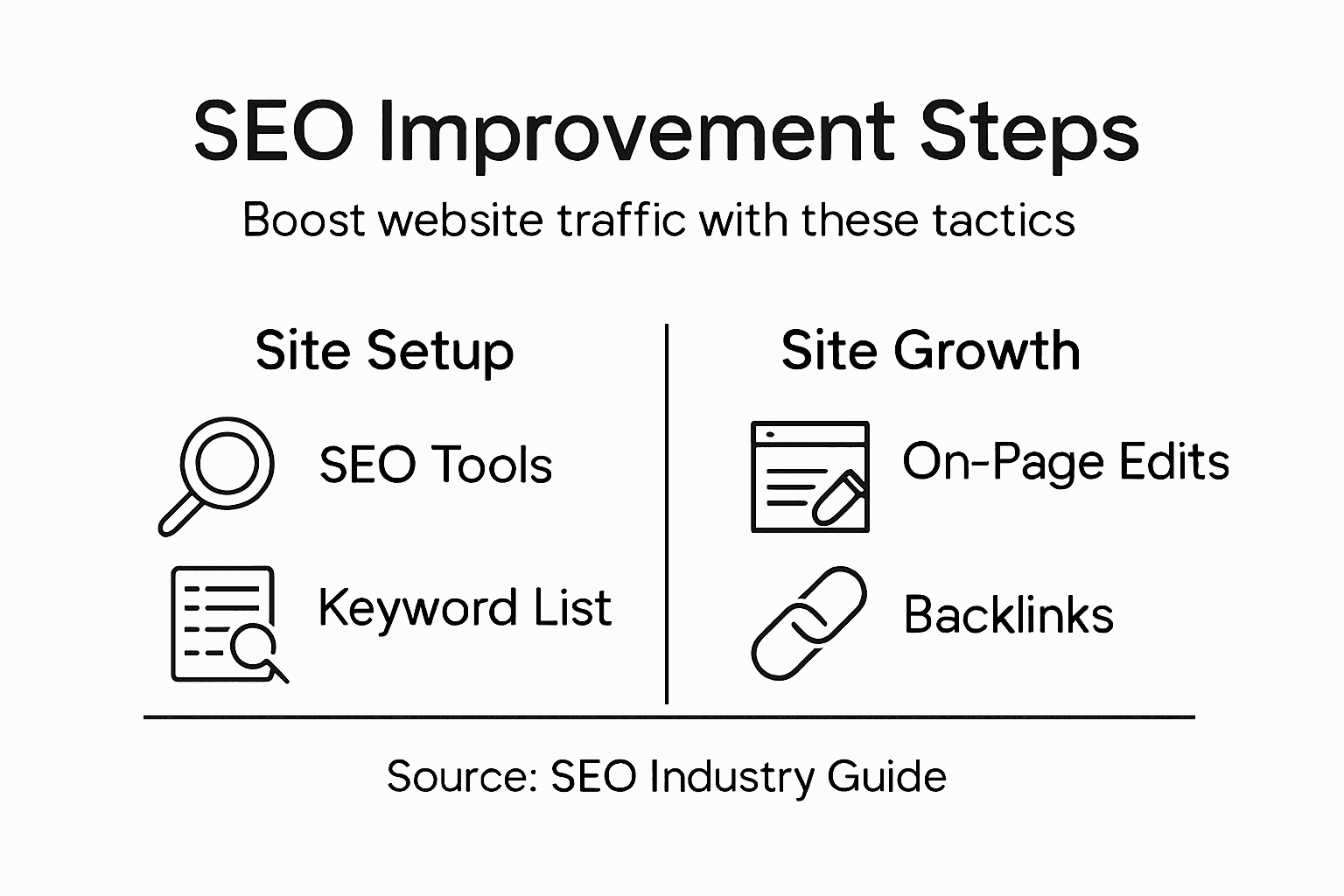
Develop a continuous improvement process that involves regular performance reviews and strategic adjustments. Conduct monthly or quarterly SEO audits to identify areas of improvement, track the effectiveness of your implemented strategies, and make data driven decisions. Compare your performance against competitors, analyze emerging keyword trends, and be prepared to pivot your content and optimization strategies based on the insights you gather. Pay special attention to technical SEO elements such as site speed, mobile responsiveness, and structured data implementation that can significantly impact your search rankings.
Pro tip: Create a monthly SEO performance dashboard that consolidates key metrics and highlights trends, enabling quick strategic decision making.
The following table highlights crucial SEO performance metrics to monitor consistently:
| Metric | Why It Matters | How to Improve |
|---|---|---|
| Page Load Speed | Impacts bounce rates | Optimize images, use caching |
| Mobile Responsiveness | Affects all users | Apply responsive design |
| Bounce Rate | Signals engagement | Enhance content relevance |
| Average Time on Page | Measures content value | Add engaging, in-depth info |
| Organic Traffic | Gauges SEO success | Target more keywords, optimize content |
Elevate Your SEO Strategy with AI-Powered Automation
Improving your website's SEO to boost organic traffic requires mastering complex tasks like automated technical audits, strategic keyword discovery, and authoritative backlink building. This article highlights common challenges such as staying ahead of evolving algorithms, optimizing on-page content effectively, and continuously monitoring performance to make data-driven adjustments. If you are struggling with these pain points or aiming to streamline your SEO processes while achieving long-term growth, smart automation is the key.
Babylovegrowth.ai offers an all-in-one SaaS platform designed to tackle these exact obstacles. With AI-powered solutions tailored for automated keyword research, content planning, publishing, structured data markup, and backlink network management, our platform empowers you to optimize your site effortlessly. Experience scalable automation combined with high-quality content strategies that improve search rankings across Google and next-gen AI search engines, ensuring your brand remains visible and competitive.

Ready to transform your SEO efforts and accelerate organic growth? Discover how Babylovegrowth.ai can simplify your SEO workload while delivering measurable results. Visit our landing page to get started today and leverage cutting-edge AI tools that bring precision and efficiency to your SEO journey. Unlock your website’s full potential now by integrating automated SEO audits and strategic content optimization at scale.
Frequently Asked Questions
How can I set up automated SEO analysis tools for my website?
To set up automated SEO analysis tools, choose a comprehensive platform that offers features like site crawling and keyword tracking. Configure it to run regular scans and send weekly summary reports, so you can monitor your website's performance without constant manual checking.
What are the best practices for identifying strategic keywords?
Identify strategic keywords by using AI-powered keyword research tools to uncover high-potential search terms. Focus on long tail keywords with moderate search volume and lower competition, and group them thematically to create content clusters that target specific audience segments.
How do I optimize on-page content for better SEO?
To optimize on-page content, structure your content with clear headings and include target keywords naturally within the text. Make sure your primary keywords are present in critical locations like the title tag and first paragraph, while also focusing on user experience with readable formatting.
What steps should I take to build high-quality backlinks?
Building high-quality backlinks involves creating exceptional content that attracts links naturally and engaging in guest posting on reputable sites. Prioritize quality over quantity by targeting links from authoritative sites within your industry and monitoring your backlink profile regularly for effectiveness.
How can I monitor my SEO results effectively?
To monitor your SEO results effectively, implement comprehensive analytics tools that track key performance indicators like organic traffic and click-through rates. Conduct monthly or quarterly audits to identify areas of improvement and adjust your strategies based on the insights gathered during your reviews.
What key metrics should I consistently monitor for SEO performance?
Consistently monitor metrics such as page load speed, bounce rate, and organic traffic to gauge SEO performance. Aim to improve your page load speed by optimizing images and implementing caching tactics to enhance user experience and reduce bounce rates.
Recommended
Smart SEO,
Faster Growth!
Most Read Articles
Generative Engine Optimization (GEO)
Learn how Generative Engine Optimization (GEO) helps your content rank in AI search engines like ChatGPT and Google AI. This comprehensive guide explains the differences between SEO and GEO, why it matters for your business, and practical steps to implement GEO strategies for better visibility in AI-generated responses.
DylenJan 18, 2025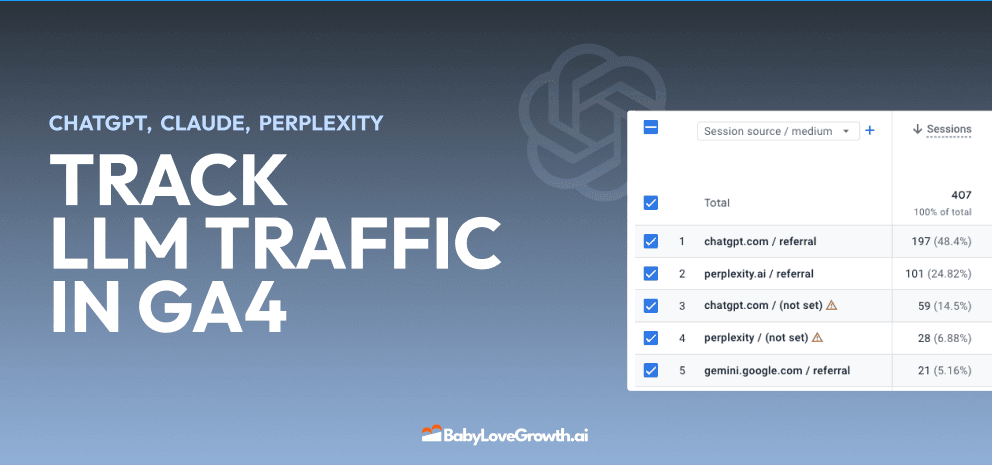
Track LLM Traffic in Google Analytics 4 (GA4)
Learn how to track and analyze traffic from AI sources like ChatGPT, Claude, Perplexity, and Google Gemini in Google Analytics 4. This step-by-step guide shows you how to set up custom filters to monitor AI-driven traffic and make data-driven decisions for your content strategy.
DylenMar 18, 2025
How to Humanize AI Text with Instructions
Learn practical techniques to make AI-generated content sound more natural and human. This guide covers active voice, direct addressing, concise writing, and other proven strategies to transform robotic text into engaging content.
DylenApril 7, 2025
Open AI Revenue and Statistics (2024)
Comprehensive analysis of OpenAI financial performance, user engagement, and market position in 2023. Discover key statistics including $20B valuation, $1B projected revenue, and 100M+ monthly active users.
DylenOctober 03, 2025